Lithologic Reservoirs ›› 2026, Vol. 38 ›› Issue (5): 1-9.doi: 10.12108/yxyqc.20260501

• PETROLEUM EXPLORATION • Previous Articles     Next Articles

Influence mechanism of salt minerals on large-scale hydrocarbon generation from low-abundance source rocks: A case study of Paleogene Xiaganchaigou Formation in western Qaidam Basin

WANG Bo1,2(), ZHOU Fei1,2, TIAN Jixian3(), ZHANG Jing1,2, ZHANG Tong1,2, QI Yonggang4, QIAO Baihan1,2, FENG Dehao5   

  1. 1 Research Institute of Exploration and Development, PetroChina Qinghai Oilfield Company, Dunhuang 736202, Gansu, China
    2 Plateau Saline Lacustrine Basin Oil-Gas Geology Key Laboratory of Qinghai Province, Dunhuang 736202, Gansu, China
    3 PetroChina Research Institute of Petroleum Exploration and Development, Beijing 100083, China
    4 Supervision & Management Company, PetroChina Qinghai Oilfield CompanyDunhuang 736202, Gansu, China
    5 College of Earth Sciences, China University of Petroleum (Beijing), Beijing 102249, China
  • Received:2026-01-19 Revised:2026-02-10 Online:2026-09-01 Published:2026-09-04
  • Contact: TIAN Jixian E-mail:wboqh@petrochina.com.cn;tjx69@petrochina.com.cn

Abstract:

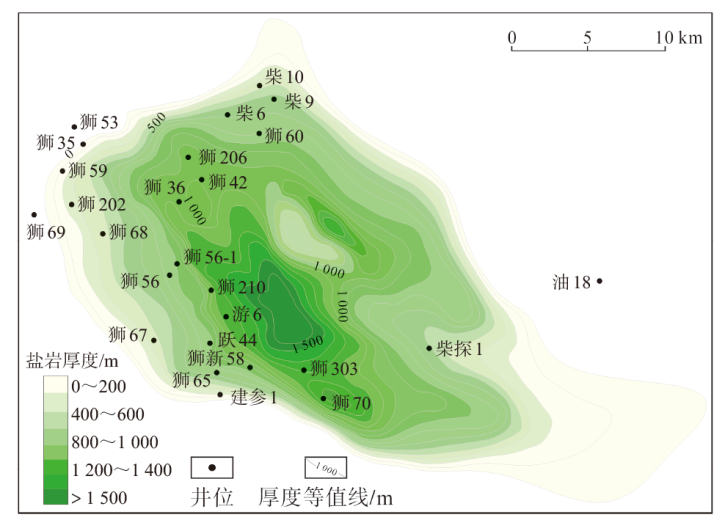
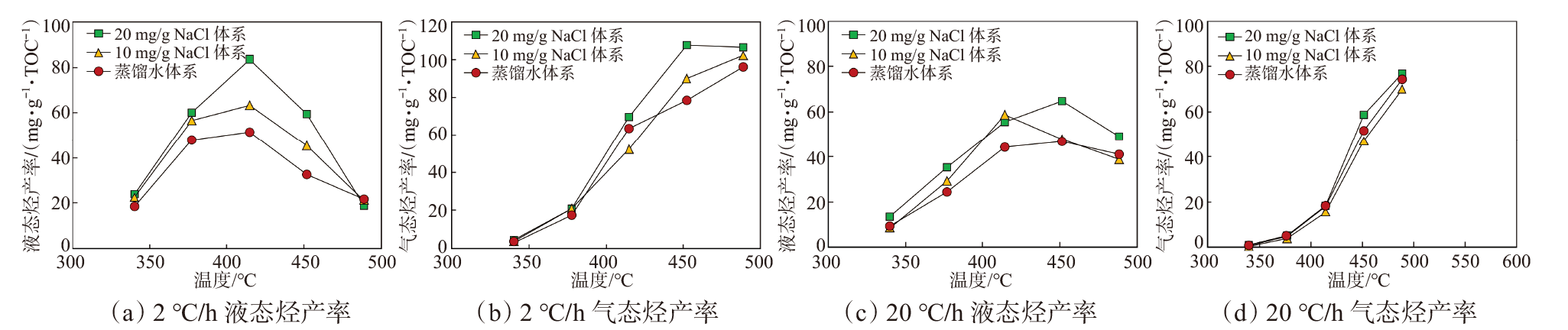
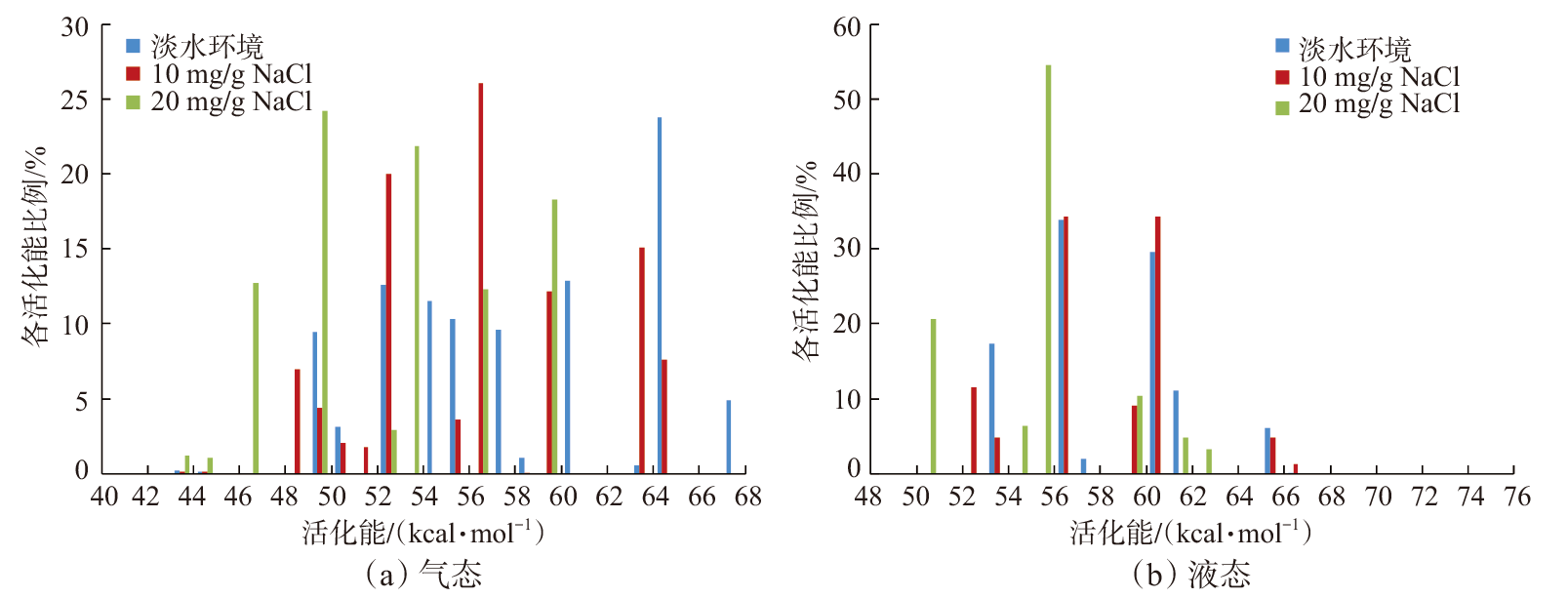
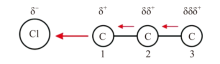
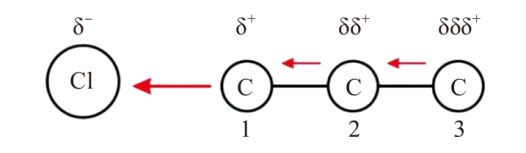
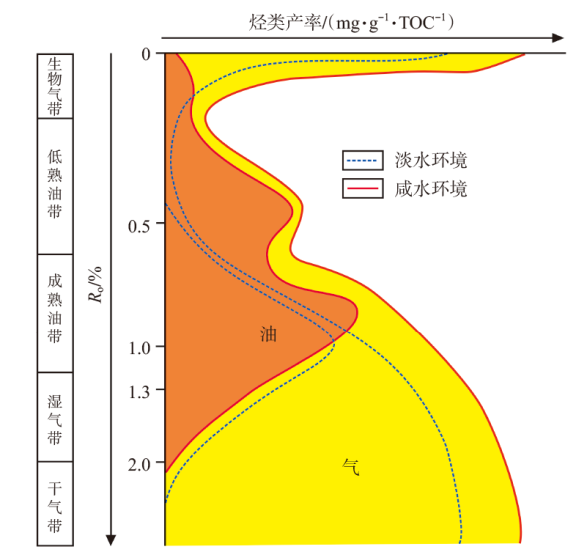
Paleogene-Neogene saline lacustrine basin source rocks in western Qaidam Basin are with relatively low abundance organic matter, but multiple large-scale oil and gas reservoirs have been discovered. Saline inorganic minerals in source rocks have important impacts on the hydrocarbon generation of low abundance source rocks. Through conducting simulation experiments on hydrocarbon generation from organic matter with NaCl, the influence of inorganic salts on hydrocarbon generation from organic matter in Paleogene of western Qaidam Basin was systematically evaluated, influence machenism of salt minerals was clarified, and the hydrocarbon generation model for saline lacustrine basins was established. Research results show that: (1) Paleogene-Neogene saline minerals in western Qaidam Basin are developed, with rock salt, gypsum, and glauberite as the main types, and with single layer thicknesses ranging from several centimeters to over ten meters. Salt layers are interbedded with source rock organic matters, which provides favorable conditions for the catalytic effect of salt substances. (2) Thermal simulation experiments have confirmed that the addition of chloride salts significantly promotes the hydrocarbon generation of source rocks, which can significantly enhance the generation of liquid hydrocarbons in the oil window stage and gaseous hydrocarbons in the gas window stage. With the increase of salinity, the peak yields of gaseous and liquid hydrocarbons gradually increase, and the cracking rate of liquid hydrocarbons accelerates simultaneously. (3) During the pyrolysis process of kerogen, the addition of chloride salts clearly reduces the breaking energy of C-C and C-H bonds in kerogen molecules, thereby enhancing hydrocarbon generation. The underlying mechanism may involve the alteration of molecular surface charge distribution through electronic induction effects, which accelerates specific reaction pathways and influences the pyrolysis reaction rate of kerogen. (4) Compared with the conventional hydrocarbon generation model, source rocks in saline environments have the characteristic of early hydrocarbon generation. The hydrocarbon generation of shallow soluble organic matter and deep kerogen follow a relay. When Ro is 0.5%, the secondary peak of soluble organic matter oil generation occurs, and when Ro is 0.9%-1.1%, the peak of kerogen oil generation occurs. The participation of saline substances greatly promotes the hydrocarbon generation efficiency of organic matter, ultimately achieving large-scale hydrocarbon generation from low abundance source rocks, which enable source rocks from saline lacustrine basins of western Qaidam Basin to generate a large amount of oil and gas even under the condition of low organic matter abundance.

Key words: saline lacustrine basin, hydrocarbon generation mechanism, saline minerals, thermal simulation experiment, activation energy, hydrocarbon generation rate, Xiaganchaigou Formation, Paleogene, Qaidam Basin

CLC Number: 

  • TE122.112

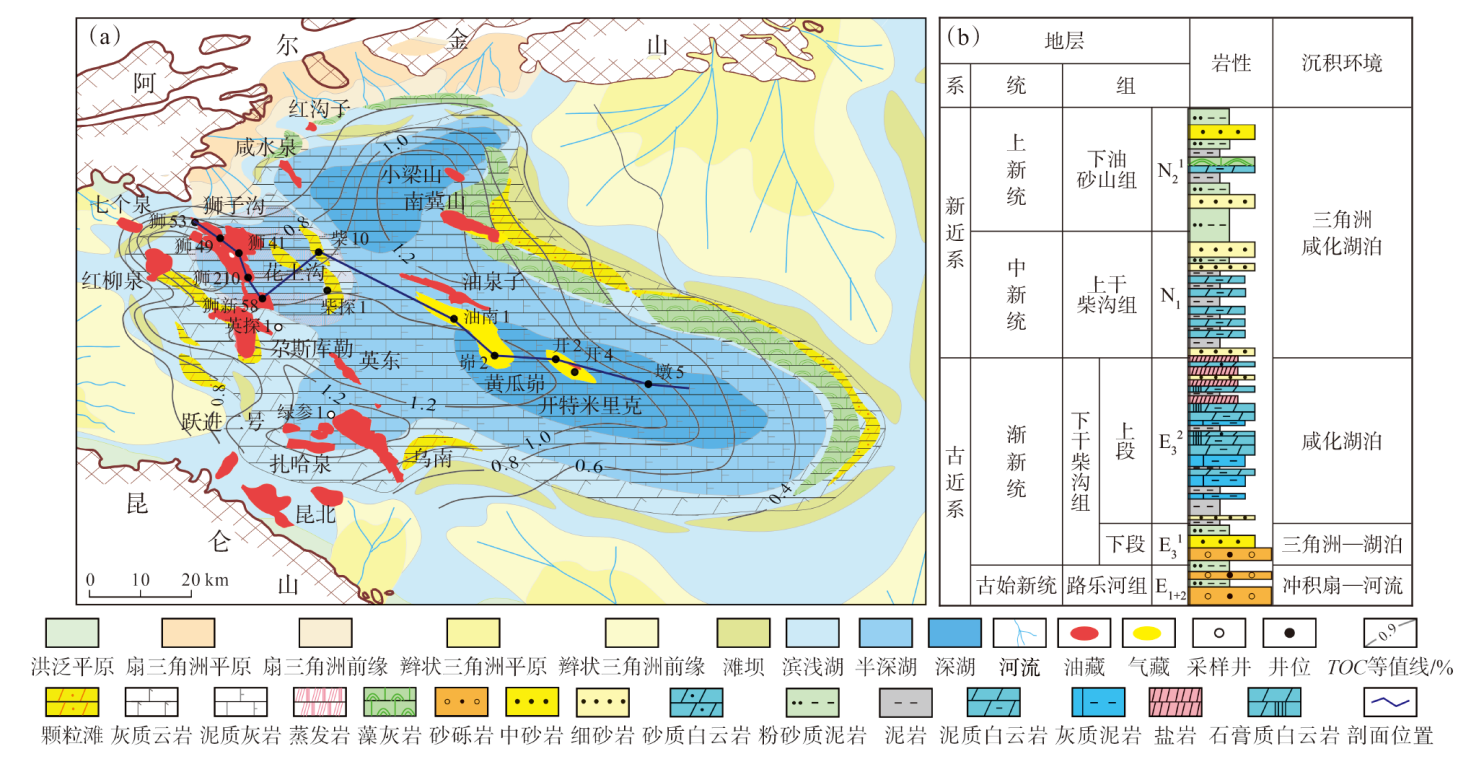
Fig. 1

Sedimentary facies distribution (a) and comprehensive stratigraphic column (b) of the upper member of Xiaganchaigou Formation (E32) in Paleogene of western Qaidam Basin"

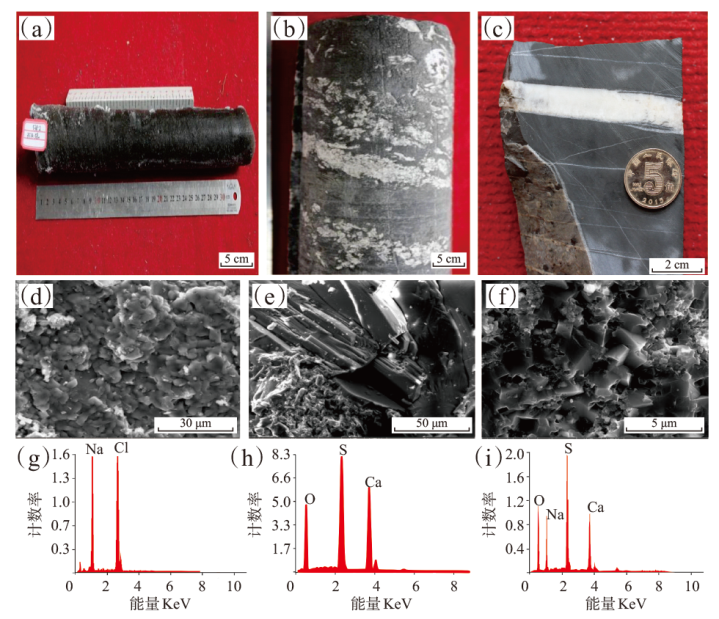
Fig. 2

Core photos, microscopic features and EDS spectrum of salt layer and salt minerals of Paleogene E32 in western Qaidam Basin"

Fig. 3

Planar distribution of salt-bearing stratum thickness of Paleogene E32 in western Qaidam Basin"

Fig. 4

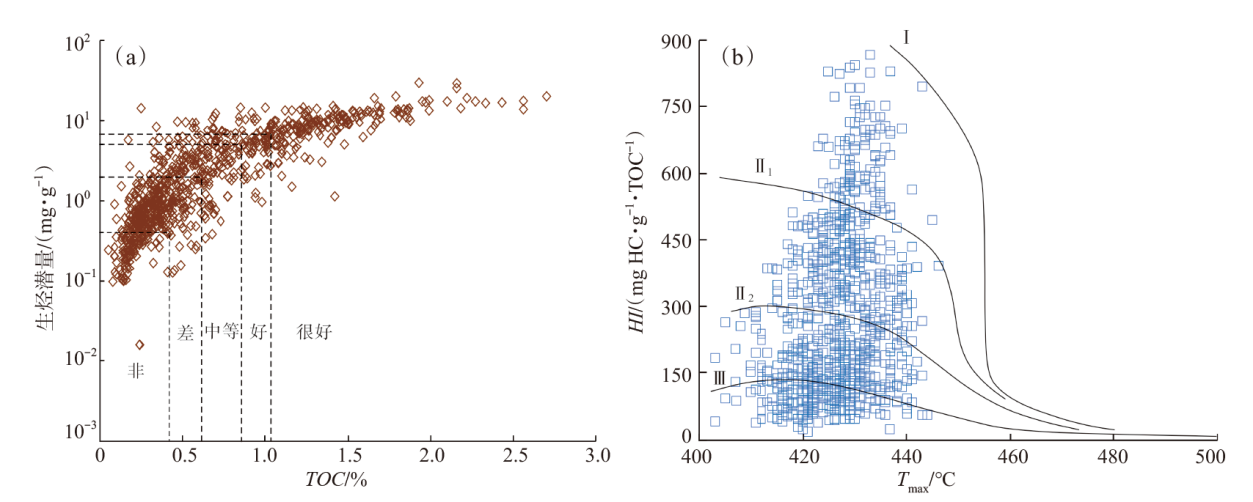
Organic matter abundance (a) and types (b) of Paleogene E32 in western Qaidam Basin"

Table 1

Sample data of source rock hydrocarbon generation simulation experiment of Paleogene in western Qaidam Basin"

井名 层位 深度/
m
TOC/% Tmax/
HI/
(mg HC·g-1·TOC-1)
S1 + S2)/
(mg·g-1)
实验
类别
英探1 E31—E32 4 552.4 1.13 432 295 3.58 高压釜
绿参1 E31—E32 4 305.7 0.66 423 98 1.18 黄金管

Fig. 5

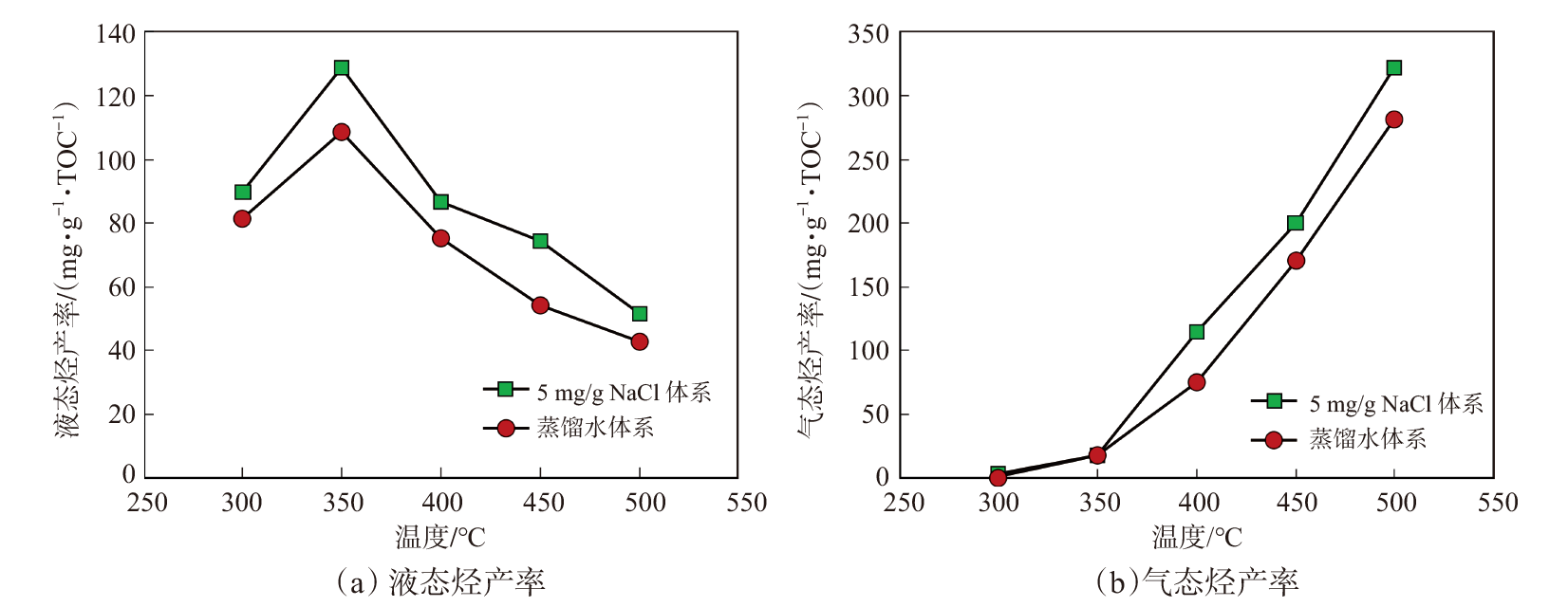
Hydrocarbon generation rate of the autoclave pyrolysis experiment for source rocks under different salinity conditions of Paleogene in western Qaidam Basin"

Fig. 6

Hydrocarbon generation rate of the gold-tube pyrolysis experiment of source rocks under different salinity conditions of Paleogene in western Qaidam Basin"

Fig. 7

Distribution characteristics of activation energy for Type Ⅲ organic matter hydrocarbon generation under different salinity conditions in the gold-tube limited system of Paleogene source rocks in western Qaidam Basin"

Fig. 8

Schematic diagram of induced effects of Cl- on carbon chain"

Fig. 9

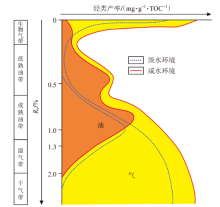
Hydrocarbon generation models of saline lacustrine source rocks of Paleogene in western Qaidam Basin"

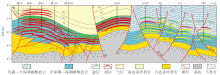
Fig. 10

Hydrocarbon accumulation models of Paleogene in western Qaidam Basin"

[1] 李国欣, 石亚军, 张永庶, 等. 柴达木盆地油气勘探、地质认识新进展及重要启示[J]. 岩性油气藏, 2022, 34(6):1-18.
LI Guoxin, SHI Yajun, ZHANG Yongshu, et al. New progress and enlightenment of oil and gas exploration and geological understanding in Qaidam Basin[J]. Lithologic Reservoirs, 2022, 34(6):1-18.
[2] 李才俊, 胡涛, 庞雄奇, 等. 东濮凹陷文留地区咸化湖盆沙三段油源特征及成藏模式[J]. 中国海上油气, 2025, 37(1):79-91.
LI Caijun, HU Tao, PANG Xiongqi, et al. Crude oil and source rock characteristics and hydrocarbon accumulation model of third member of Shahejie Formation in saline lacustrine basin in Wenliu area,Dongpu Sag[J]. China Offshore Oil and Gas, 2025, 37(1):79-91.
[3] 龙国徽, 王艳清, 朱超, 等. 柴达木盆地英雄岭构造带油气成藏条件与有利勘探区带[J]. 岩性油气藏, 2021, 33(1):145-160.
LONG Guohui, WANG Yanqing, ZHU Chao, et al. Hydrocarbon accumulation conditions and favorable exploration plays in Yingxiongling structural belt,Qaidam Basin[J]. Lithologic Reservoirs, 2021, 33(1):145-160.
[4] 田继先, 赵健, 张静, 等. 柴达木盆地英雄岭地区硫化氢形成机理及分布预测[J]. 岩性油气藏, 2020, 32(5):84-92.
TIAN Jixian, ZHAO Jian, ZHANG Jing, et al. Formation mechanism and distribution prediction of hydrogen sulfide in Yingxiongling area,Qaidam Basin[J]. Lithologic Reservoirs, 2020, 32(5):84-92.
[5] 郭成波, 李美俊, 刘晓强, 等. 干酪根热解生烃分子模拟研究进展[J]. 沉积学报, 2024, 42(5):1494-1511.
GUO Chengbo, LI Meijun, LIU Xiaoqiang, et al. Progress of kerogen pyrolysis for hydrocarbon generation using molecular simulation[J]. Acta Sedimentologica Sinica, 2024, 42(5):1494-1511.
[6] 邹艳荣, 帅燕华, 孔枫, 等. 油气生成过程实验研究的思考与展望[J]. 石油实验地质, 2004, 26(4):375-382.
ZOU Yanrong, SHUAI Yanhua, KONG Feng, et al. Experiments on petroleum generation:Considerations and outlook[J]. Petroleum Geology & Experiment, 2004, 26(4):375-382.
[7] 田继先, 姜晓华, 国建英, 等. 柴西湖相碳酸盐岩致密气藏地质特征及规模富集条件:以环英雄岭地区为例[J]. 天然气地球科学, 2021, 32(8):1223-1234.
TIAN Jixian, JIANG Xiaohua, GUO Jianying, et al. Geological characteristics and enrichment conditions of lacustrine carbonate tight gas reservoir,western Qaidam Basin:Case study of Yingxiongling area[J]. Natural Gas Geoscience, 2021, 32(8):1223-1234.
[8] 马中良, 郑伦举, 李志明, 等. 盐类物质对泥质烃源岩生排烃过程的影响[J]. 西南石油大学学报(自然科学版), 2013, 35(1):43-51.
MA Zhongliang, ZHENG Lunju, LI Zhiming, et al. The effect of salts on hydrocarbon generation and expulsion of argillaceous source rock[J]. Journal of Southwest Petroleum University (Science & Technology Edition), 2013, 35(1):43-51.
[9] LEWAN M D. Experiments on the role of water in petroleum formation[J]. Geochimica et Cosmochimica Acta, 1997, 61(17):3691-3723.
[10] 李术元, 林世静, 郭绍辉, 等. 无机盐类对干酪根生烃过程的影响[J]. 地球化学, 2002, 31(1):15-20.
LI Shuyuan, LIN Shijing, GUO Shaohui, et al. Effects of inorganic salts on the hydrocarbon generation from kerogens[J]. Geochimica, 2002, 31(1):15-20.
[11] 刘国勇, 吴松涛, 伍坤宇, 等. 柴达木盆地西部坳陷古近系全油气系统特征与油气成藏模式[J]. 石油勘探与开发, 2024, 51(5):951-961.
LIU Guoyong, WU Songtao, WU Kunyu, et al. Characteristics and hydrocarbon accumulation model of Paleogene whole petroleum system in western depression of Qaidam Basin,NW China[J]. Petroleum Exploration and Development, 2024, 51(5):951-961.
[12] 张斌, 何媛媛, 陈琰, 等. 柴达木盆地西部咸化湖相优质烃源岩地球化学特征及成藏意义[J]. 石油学报, 2017, 38(10):1158-1167.
ZHANG Bin, HE Yuanyuan, CHEN Yan, et al. Geochemical characteristics and oil accumulation significance of the high quality saline lacustrine source rocks in the western Qaidam Basin,NW China[J]. Acta Petrolei Sinica, 2017, 38(10):1158-1167.
[13] 李国欣, 张斌, 伍坤宇, 等. 柴达木盆地咸化湖盆低有机质丰度烃源岩高效生烃模式[J]. 石油勘探与开发, 2023, 50(5):898-910.
LI Guoxin, ZHANG Bin, WU Kunyu, et al. Low organic matter abundance and highly efficient hydrocarbon generation of saline source rock in the Qaidam Basin,NW China[J]. Petroleum Exploration and Development, 2023, 50(5):898-910.
[14] 田继先, 石正灏, 李剑, 等. 柴达木盆地侏罗系煤岩气成藏条件与勘探潜力[J]. 岩性油气藏, 2025, 37(4):17-25.
TIAN Jixian, SHI Zhenghao, LI Jian, et al. Reservoir formation conditions and exploration potential of Jurassic coal-rock gas in Qaidam Basin[J]. Lithologic Reservoirs, 2025, 37(4):17-25.
[15] 黄成刚, 李智勇, 倪祥龙, 等. 柴达木盆地英西地区E32盐类矿物成因及油气地质意义[J]. 现代地质, 2017, 31(4):779-790.
HUANG Chenggang, LI Zhiyong, NI Xianglong, et al. Origin of salt minerals and oil-gas geological significance of E32 reservoirs in saline lacustrine basin of the Yingxi area,Qaidam Basin[J]. Geoscience, 2017, 31(4):779-790.
[16] 夏志远, 刘占国, 李森明, 等. 岩盐成因与发育模式:以柴达木盆地英西地区古近系下干柴沟组为例[J]. 石油学报, 2017, 38(1):55-66.
XIA Zhiyuan, LIU Zhanguo, LI Senming, et al. Origin and develo-ping model of rock salt:A case study of Lower Ganchaigou Formation of Paleogene in the west of Yingxiong ridge,Qaidam Basin[J]. Acta Petrolei Sinica, 2017, 38(1):55-66.
[17] 崔俊, 毛建英, 陈登钱, 等. 柴达木盆地西部地区古近系湖相碳酸盐岩储层特征[J]. 岩性油气藏, 2022, 34(2):45-53.
CUI Jun, MAO Jianying, CHEN Dengqian, et al. Reservoir characteristics of Paleogene lacustrine carbonate rocks in western Qaidam Basin[J]. Lithologic Reservoirs, 2022, 34(2):45-53.
[18] 姜峰, 张友联, 杜建国. 油气生成热模拟实验研究进展[J]. 地球科学进展, 1996, 11(5):453-459.
JIANG Feng, ZHANG Youlian, DU Jianguo. Advance of pyrolysis experimentation on hydrocarbon genesis[J]. Advance in Earth Sciences, 1996, 11(5):453-459.
[19] 胡锦杰, 唐友军, 何大祥, 等. 不同类型烃源岩排烃模式对比及差异性探究[J]. 地质力学学报, 2020, 26(6):941-951.
HU Jinjie, TANG Youjun, HE Daxiang, et al. Comparison and exploration of hydrocarbon expulsion patterns of different types of source rocks[J]. Journal of Geomechanics, 2020, 26(6):941-951.
[20] PAN Changchun, JIANG Lanlan, LIU Jinzhong, et al. The effects of calcite and montmorillonite on oil cracking in confined pyrolysis experiments[J]. Organic Geochemistry, 2010, 41(7):611-626.
[21] 卢双舫, 付晓泰, 李启明, 等. 塔里木盆地熟化有机质成烃动力学模型原始参数的恢复及意义[J]. 地质论评, 2000, 46(5):556-560.
LU Shuangfang, FU Xiaotai, LI Qiming, et al. Restoration of the original parameters of the chemical kinetic models for generation of hydrocarbons from mature organic matter in the Tarim Basin and its significance[J]. Geological Review, 2000, 46(5):556-560.
[22] 李美俊, 刘晓强, 韩秋雅, 等. 分子模拟在油气地球化学中的应用研究进展[J]. 石油与天然气地质, 2021, 42(4):919-930.
LI Meijun, LIU Xiaoqiang, HAN Qiuya, et al. Progress of molecular simulation applications research in petroleum geochemi-stry[J]. Oil & Gas Geology, 2021, 42(4):919-930.
[23] 冯德浩, 刘成林, 田继先, 等. 柴达木盆地一里坪地区新近系盆地模拟及有利区预测[J]. 岩性油气藏, 2021, 33(3):74-84.
FENG Dehao, LIU Chenglin, TIAN Jixian, et al. Basin mode-ling and favorable play prediction of Neogene in Yiliping area,Qaidam Basin[J]. Lithologic Reservoirs, 2021, 33(3):74-84.
[24] TISSOT B P, WELTE D H. Petroleum formation and occurrence:A new approach to oil and gas exploration[M]. Berlin:Springer-Verlag, 1978.
[1] SHEN Chen, SUN Yu, ZHANG Yujie, ZHU Qingli, HUO Fei, CAO Weidong, LIU Xiaoliang, SHEN Yuniang. Origin and genesis of formation water in shale oil reservoirs of Paleogene Shahejie Formation in Lijin sub-depression, Dongying Sag [J]. Lithologic Reservoirs, 2026, 38(5): 179-190.
[2] XUE Jianqin, MA Feng, LONG Guohui, SUN Xiujian, WANG Aiping, ZHU Shifa, WU Yunzhao, YOU Renzong. Natural gas accumulation conditions in Jurassic-Paleogene of the northern margin of Qaidam Basin and exploration discovery of well Lutan-1 [J]. Lithologic Reservoirs, 2026, 38(4): 1-11.
[3] LU Ziqi, LI Yuanhao, ZHU Yanhe, CHEN Xiaozhi, PAN Xinzhu, ZHAI Wenbin, CHANG Yirong, SHAN Chang’an. Sedimentary evolution characteristics and hydrocarbon accumulation models of Paleogene in Sanmenxia Basin [J]. Lithologic Reservoirs, 2026, 38(4): 77-90.
[4] JIANG Long, CHENG Ziyan, SUN Hongxia, LIU Zupeng, LI Zhongxin, TIAN Xuanhua, PENG Linxiong, ZHU Li. Characteristics and lower limit of movable pore throat of shale reservoir of the lower Es3 submember of Paleogene in Bonan subsag, Bohai Bay Basin [J]. Lithologic Reservoirs, 2026, 38(3): 54-66.
[5] XIONG Yu, ZHANG Weicen, LI Yamei, GENG Wenshuang, WU Daoming, MU Dan, LIU Tong. Prediction method of water-to-gas gravity displacement efficiency and interface stability of high-dip angle reservoirs:A case study of Paleogene Shahejie Formation reservoir in Liuzan area of Bohai Bay Basin [J]. Lithologic Reservoirs, 2026, 38(2): 178-193.
[6] SUN Yuanfeng, CAO Aifeng, ZHOU Yong, GAO Chenxi, WANG Ke. Sedimentary evolution characteristics and paleogeomorphology-controlled sand distribution patterns of the upper Es4 sub-member of Paleogene in Linnan Subsag, Bohai Bay Basin [J]. Lithologic Reservoirs, 2025, 37(6): 119-130.
[7] YAN Yuyang, XIONG Lianqiao, HE Youbin, CHEN Ying, ZHAO Zhongxiang, LIU Shengqian, LUO Jinxiong, FENG Bin. Source-to-sink system of Paleogene in Huizhou Sag of Pearl River Mouth Basin and its control on reservoir [J]. Lithologic Reservoirs, 2025, 37(5): 166-177.
[8] TIAN Jixian, SHI Zhenghao, LI Jian, SHA Wei, JIANG Zhengwen, YANG Lei, YU Xue, PU Yongxia. Reservoir formation conditions and exploration potential of Jurassic coal-rock gas in Qaidam Basin [J]. Lithologic Reservoirs, 2025, 37(4): 17-25.
[9] ZHENG Xin, JIANG Donghui, LI Kun, ZHUANG Jianjian, ZHANG Chuanyun, YANG Chao, YUAN Zhongpeng, WANG Jiaqi. Sand control patterns of fault-landforms-sedimentary slope break and their significance for oil and gas exploration: A case study of the northern section of Baochu slope zone in Xihu Sag,East China Sea Basin [J]. Lithologic Reservoirs, 2025, 37(4): 95-104.
[10] CHEN Jiaxu, CHEN Changwei, LIU Guoquan, ZOU Leiluo, DONG Xiaowei, LIU Chuan, YANG Fei, ZHONG Wei. Crude oil filling characteristics and hydrocarbon accumulation model of the second member of Paleogene Kongdian Formation in the deep subsag zone of Cangdong Sag,Bohai Bay Basin [J]. Lithologic Reservoirs, 2025, 37(4): 136-146.
[11] CHEN Huaiyi, LI Long, BAI Bing, YUE Junpei, KANG Rong, ZHANG Xingqiang. Characteristics and reservoir control of the strike-slip salt arch belt of Shahejie fourth Member Formation of Paleogene system in Laizhou Bay Depression,Bohai Bay Basin [J]. Lithologic Reservoirs, 2025, 37(3): 120-128.
[12] ZHU Wenqi, ZAN Chunjing, ZHANG Ying, WANG Tao, SHI Zhaowen, BA Lixia, CHEN Liang, JI Hancheng. Characteristics and genetic mechanisms of anomalous high-porosity zones of the Paleogene Dongying Formation in western sub-sag of the Bozhong Sag [J]. Lithologic Reservoirs, 2025, 37(2): 70-80.
[13] XUE Hui, YE Dashuai, GUO Yuemiao, CHEN Ketong, WU Jianping, XU Mengting, LI Yawen. Meandering river sedimentary characteristics and its control on reservoir of Paleogene Dong 3 Member in Qingyuan area, Baoding Sag, Bohai Bay Basin [J]. Lithologic Reservoirs, 2025, 37(2): 139-152.
[14] QU Xingyu. Sequence stratigraphy division and petroleum geological significance in the middle submember of the third member of Shahejie Formation in Liangdong area, Dongying Sag [J]. Lithologic Reservoirs, 2025, 37(2): 166-177.
[15] HU Xinling, RONG Huanqing, YANG Wei, ZHANG Zaichang, QI Zhixian. Logging identification and application of lacustrine dolomite in the fourth member of the Shahejie Formation in the Bamianhe area of Dongying Sag [J]. Lithologic Reservoirs, 2025, 37(1): 13-23.
Viewed
Full text


Abstract

Cited

  Shared   
  Discussed   
No Suggested Reading articles found!
TRENDMD: