Lithologic Reservoirs ›› 2026, Vol. 38 ›› Issue (4): 77-90.doi: 10.12108/yxyqc.20260407

• PETROLEUM EXPLORATION • Previous Articles     Next Articles

Sedimentary evolution characteristics and hydrocarbon accumulation models of Paleogene in Sanmenxia Basin

LU Ziqi1,2(), LI Yuanhao1,2(), ZHU Yanhe3, CHEN Xiaozhi3, PAN Xinzhu3, ZHAI Wenbin4, CHANG Yirong1, SHAN Chang’an1,2   

  1. 1 School of Earth Sciences and EngineeringXi’an Shiyou UniversityXi’an 710065, China
    2 Shaanxi Key Laboratory of Petroleum Accumulation GeologyXi’an Shiyou UniversityXi’an 710065, China
    3 CNOOC Research Institute Ltd.Beijing 100028, China
    4 Well Testing CompanyCNPC Xibu Drilling Engineering Co., Ltd.Karamay 834000, Xinjiang, China
  • Received:2026-01-28 Revised:2026-04-11 Online:2026-07-01 Published:2026-07-06
  • Contact: LI Yuanhao E-mail:zqlu597@163.com;liyuanh@xsyu.edu.cn

Abstract:

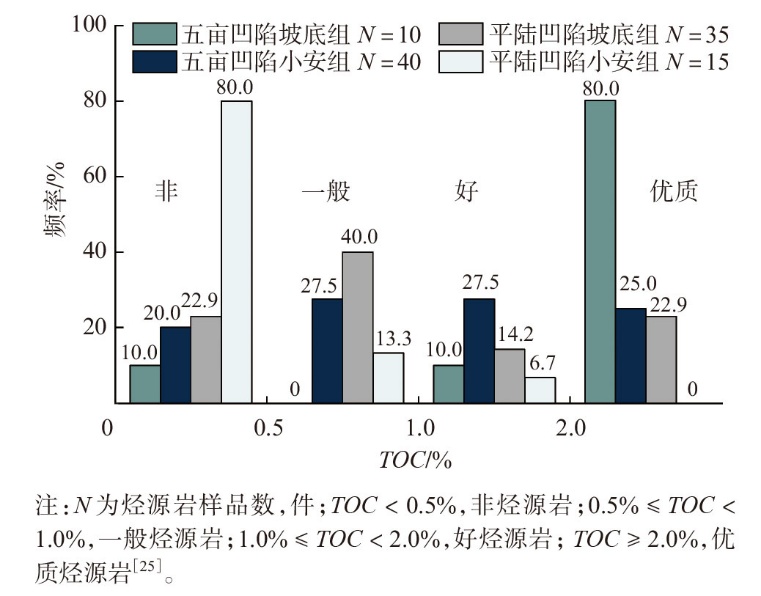
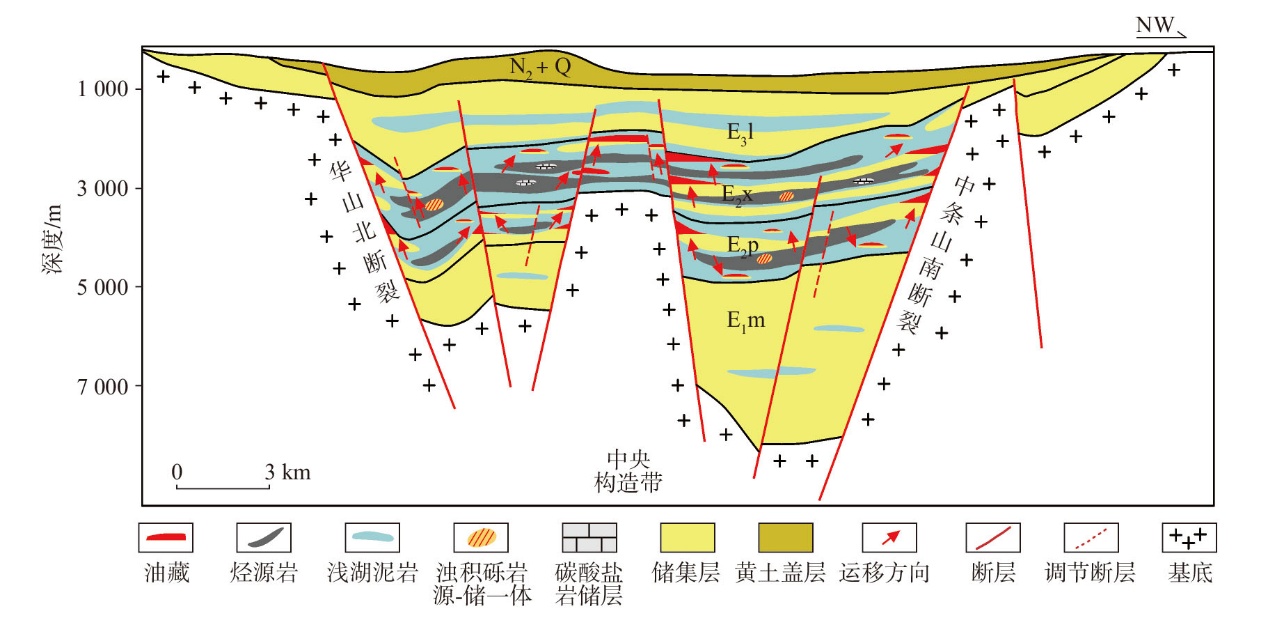
Sanmenxia Basin has considerable hydrocarbon exploration potential, but its overall exploration degree remains low. Focusing on Wumu Sag and Pinglu Sag, combined with measurements of source rock organic matter abundance, development characteristics of Paleogene sedimentary systems and source rocks were analyzed, and tectono-sedimentary evolution models and hydrocarbon accumulation conditions were clarified based on field outcrop observations, 2D seismic data, and drilling data. The results show that: (1) Paleogene in Sanmenxia Basin deve-loped five sedimentary facies and nine subfacies. Menli Formation is dominated by alluvial fan deposits. Podi Formation develops alluvial fan, fan delta, and lacustrine deposits. Xiao’an Formation is dominated by lacustrine deposits, and Liulinhe Formation mainly develops alluvial fan and braided river deposits. Different sags show significant differences in sedimentary filling, and facies belts are generally narrow and laterally migrate rapidly. (2) The tectono-sedimentary evolution of the basin has gone through 4 stages of “syn-rift to post-rift depression”. During the initial rifting stage, corresponding to Menli period, strong extension produced several isolated deep sags. During the intense rifting stage, corresponding to Podi period, basement experienced significant differential subsidence, leading to lake basin expansion and short-term lacustrine flooding. During the rift-depression transition stage, corresponding to Xiao’an period, the basin became interconnected and entered a relatively stable depositional stage, and the deep-lake reached its maximum scope. During the depression-subsidence stage, corresponding to Liulinhe period, tectonic activity tended to stabilize, and the lake basin gradually shrank and eventually disappeared. (3) Source rocks in the study area are mainly developed in the deep-lake black mud shale of Podi Formation and the deep to semi-deep lake gray-black mudstone of Xiao’an Formation. High-quality source rock samples account for 25% of the total, with Xiao’an Formation representing the principal source rock interval. In Wumu Sag, TOC values of Xiao’an Formation range from 0.29% to 31.10%, with an average of 2.06%, TOC values of Podi Formation range from 0.40% to 22.00%, with an average of 5.33%. The anomalously high TOC values or large fluctuations observed in some samples are related to outcrop preservation conditions and the development of coal streaks. (4) The study area mainly develops three types of hydrocarbon accumulation assemblages, including “self generation and self storage”, “lower generation and upper storage”, and locally “upper generation and lower storage”. Overall, it is characterized by near-source hydrocarbon supply and short-distance migration for reservoir formation, and the central structural belt represents the favorable exploration zone.

Key words: rift lacustrine basin, tectonic evolution, sedimentary filling, hydrocarbon accumulation model, source rock, hydrocarbon exploration potential, Xiao’an Formation, Paleogene, Sanmenxia Basin

CLC Number: 

  • TE121.3
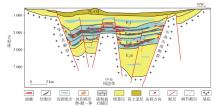
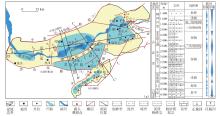
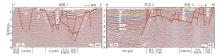
Fig. 1

Tectonic units and location of seismic sections of Sanmenxia Basin (a) and comprehensive stratigraphic column of Paleogene(b)"

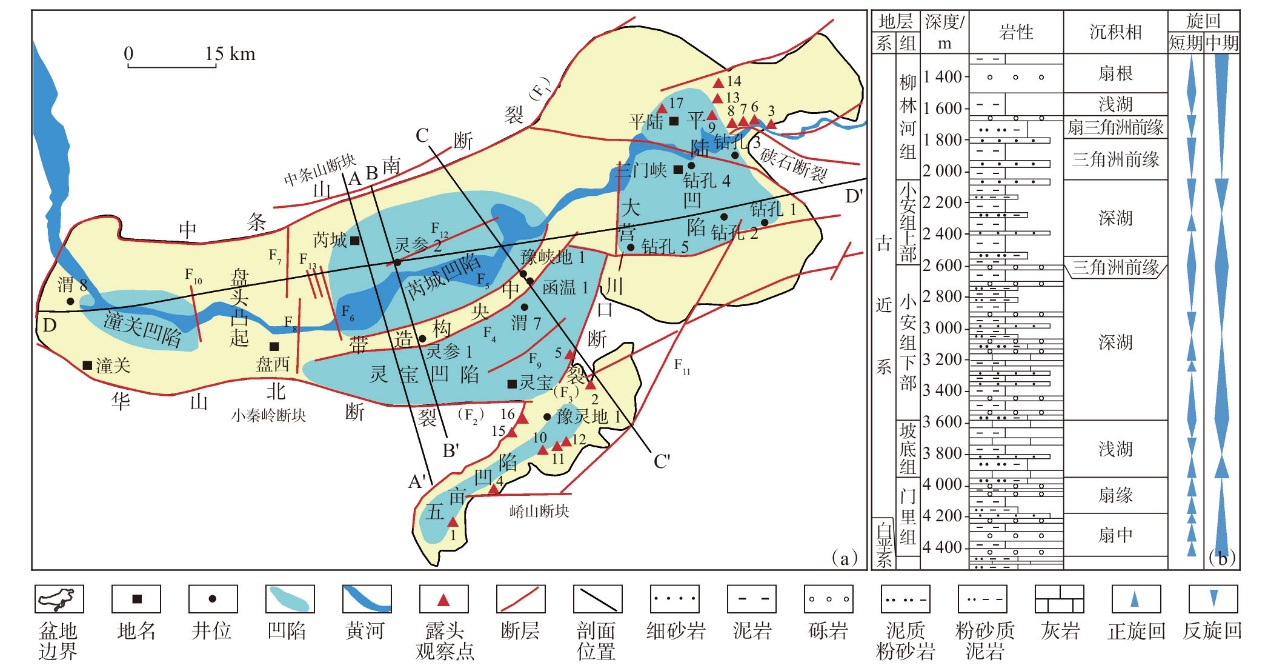
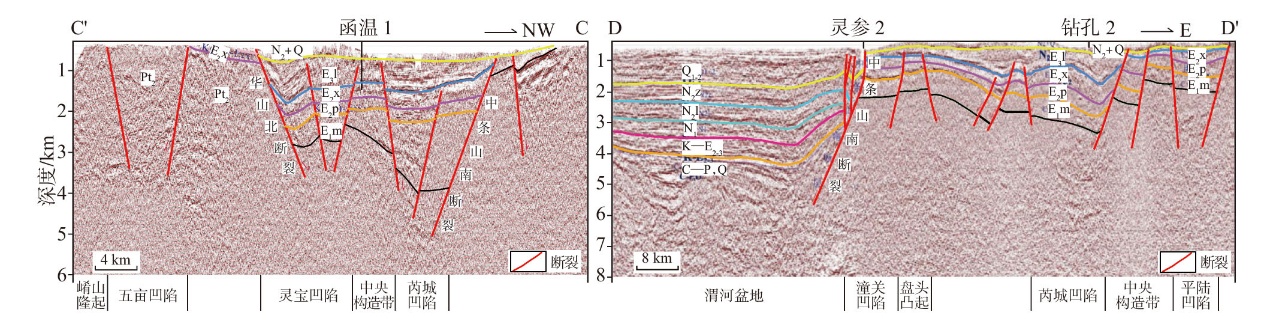
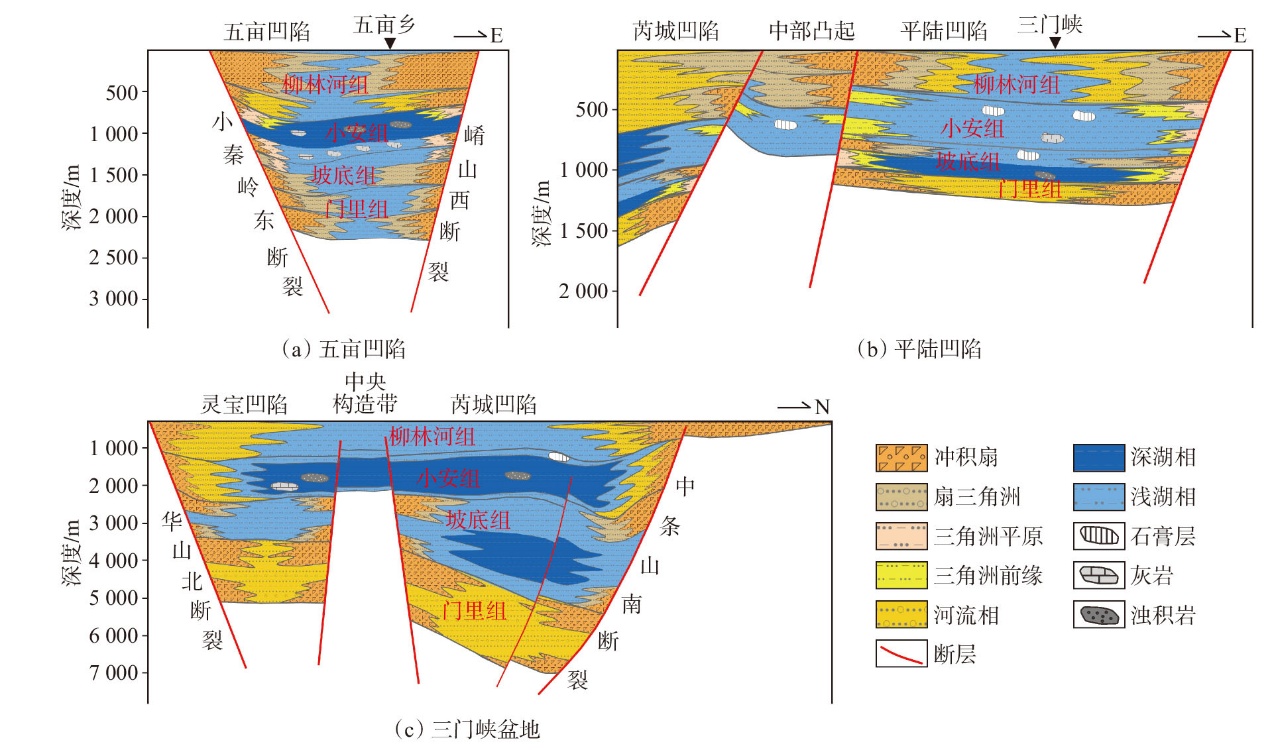
Fig. 2

Seismic section lines and tectono-stratigraphic interpretation of Sanmenxia Basin"

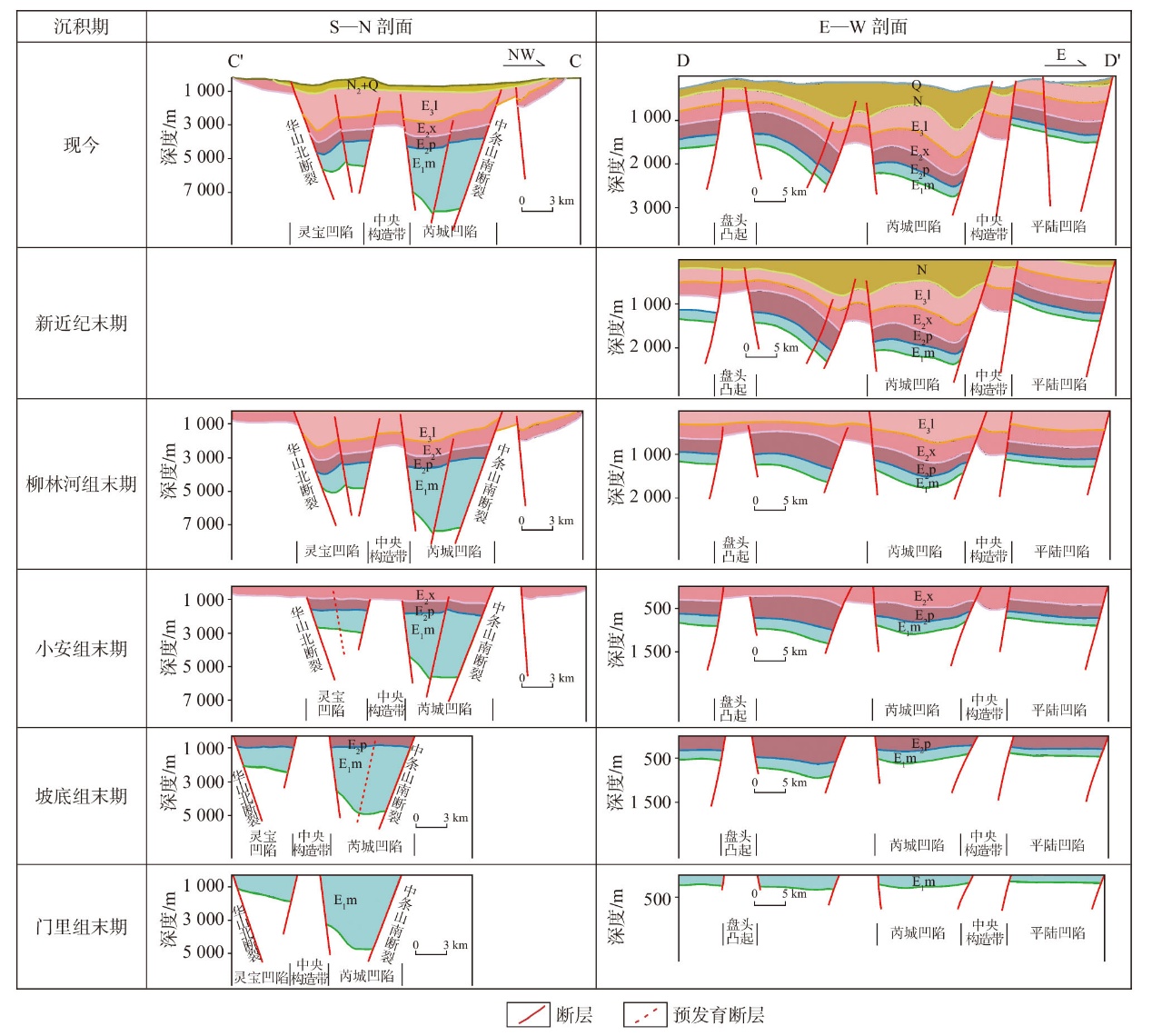
Fig. 3

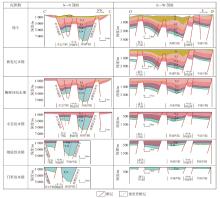
Cenozoic tectonic evolution profiles of Sanmenxia Basin"

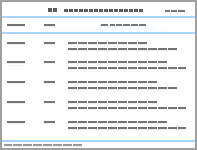
Table 1

Comparison of Paleogene depositional characteristics and evolutionary stages between Wumu Sag and Pinglu Sag in Sanmenxia Basin"

层位 五亩凹陷 平陆凹陷 盆地演化
阶段
沉积相 物源供应 气候 主要岩性 沉积相 物源供应 气候 主要岩性
门里组 冲积扇 充足 干旱 砾岩、泥岩 冲积扇 充足 干旱 砾岩 初始断陷期
坡底组 扇三角洲、
冲积扇、湖泊
充足—
较弱
潮湿—
半干旱
砾岩、粗砂岩、
泥岩
湖泊、
冲积扇、
较弱—充
足—较弱
潮湿—
半干旱
砾岩、页岩、
石膏
强烈断陷期
小安组 湖泊、
三角洲
较充足 潮湿—
干旱
暗色泥岩、
灰岩、砾岩
湖泊 欠充足 潮湿—
干旱
灰色—红色泥岩、薄
层灰岩、网状石膏
断-坳转换期
柳林河组 冲积扇 十分充足 半干旱 厚层砾岩、
少量红色泥岩
辫状河 充足 半干旱 含砾粗砂岩为主、
灰绿色泥岩
坳陷沉降期

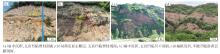
Fig. 4

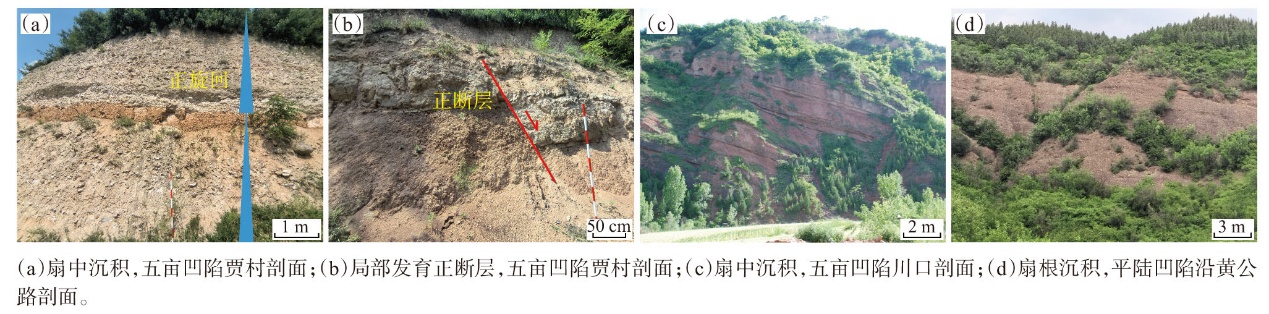
Sedimentary characteristics of Paleogene Menli Formation in Wumu Sag and Pinglu Sag, Sanmenxia Basin"

Fig. 5

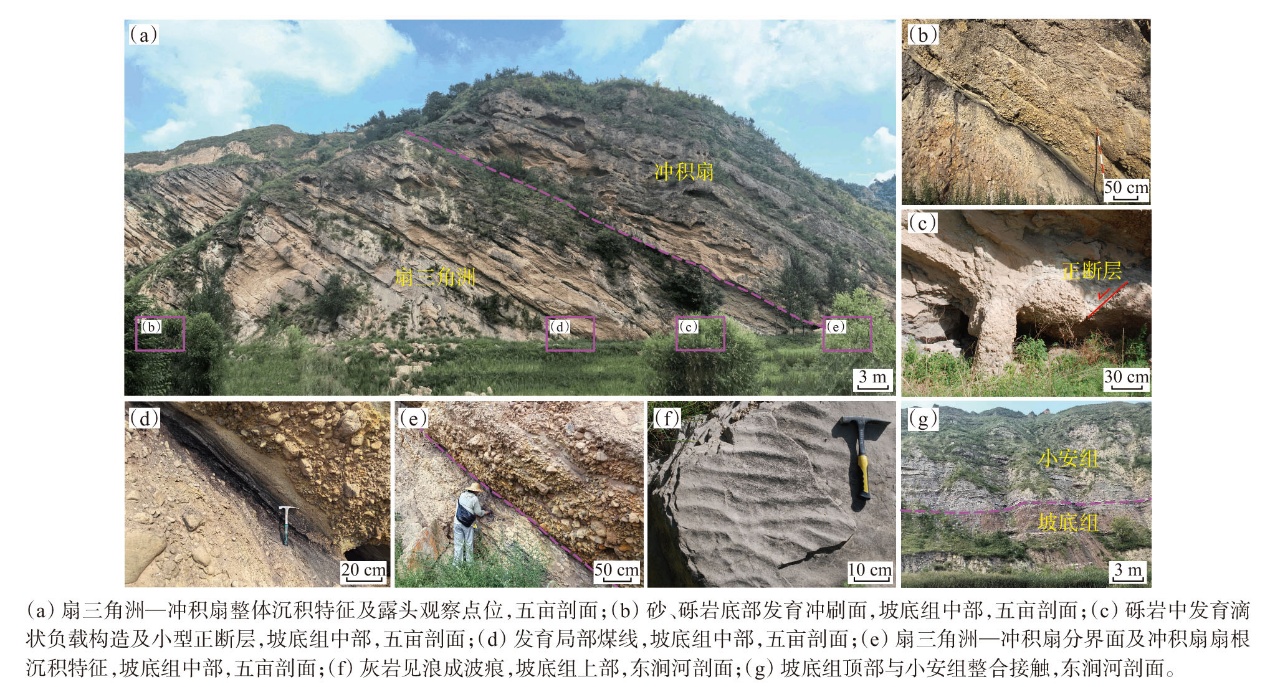
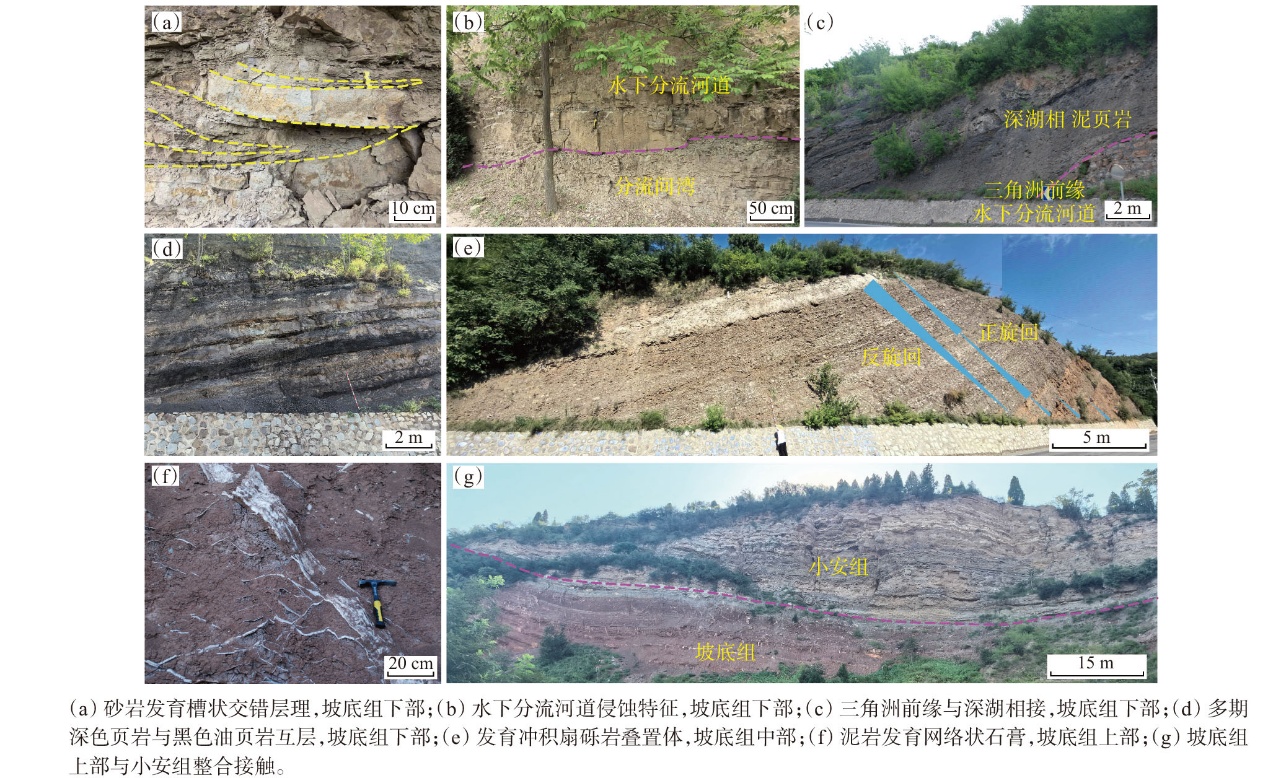
Sedimentary characteristics of Paleogene Podi Formation in Wumu Sag, Sanmenxia Basin"

Fig. 6

Sedimentary characteristics of Paleogene Podi Formation of Yanhuang road section in Pinglu Sag, Sanmenxia Basin"

Fig. 7

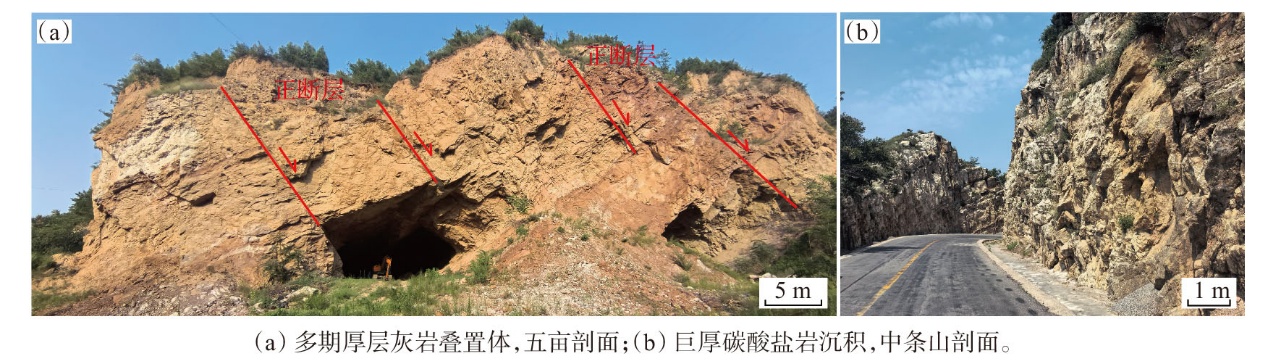
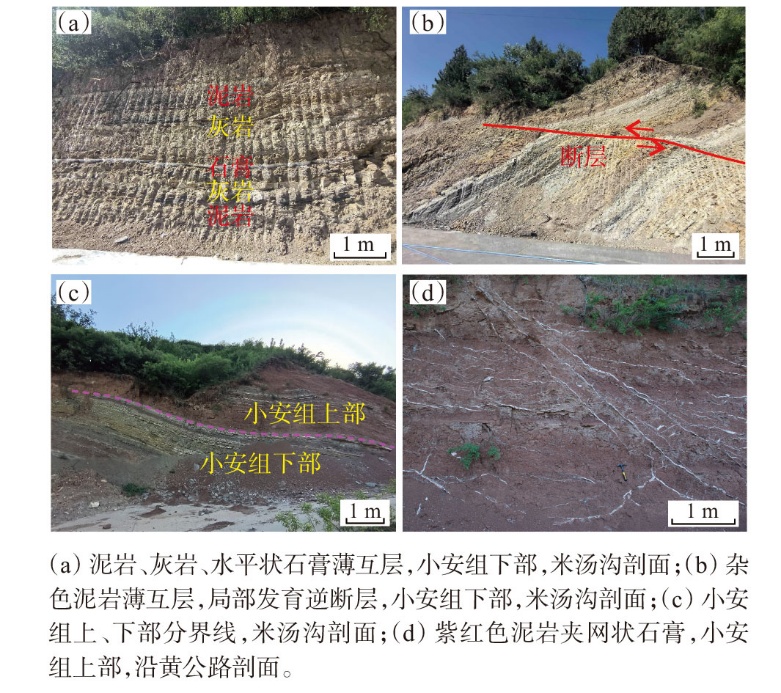
Sedimentary characteristics of the lower part of Paleogene Xiao’an Formation and Paleozoic carbonate rocks of Zhongtiao mountains in Wumu Sag, Sanmenxia Basin"

Fig. 8

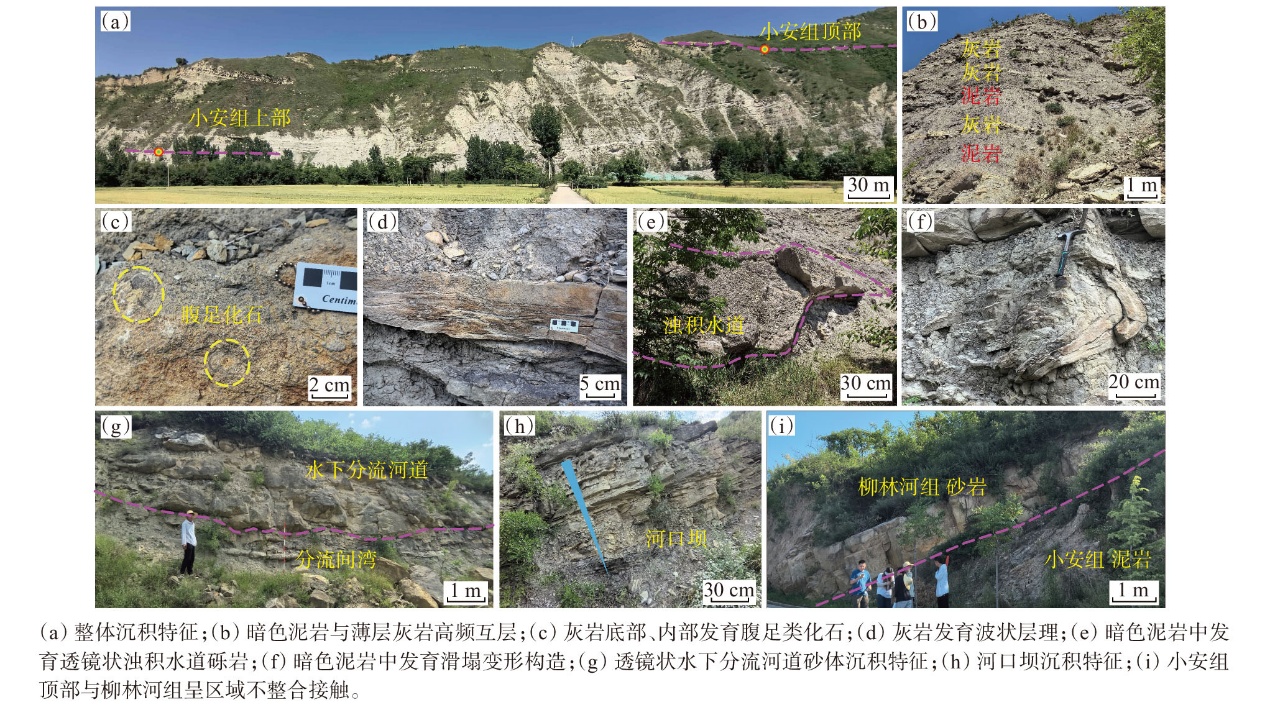
Sedimentary characteristics of the upper part and top of Paleogene Xiao’an Formation in Wumu Sag,Sanmenxia Basin"

Fig. 9

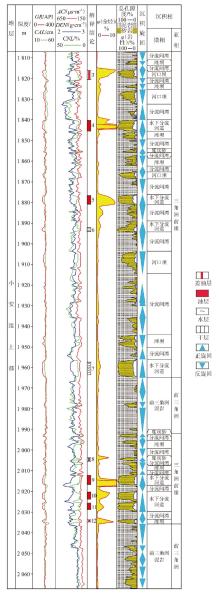
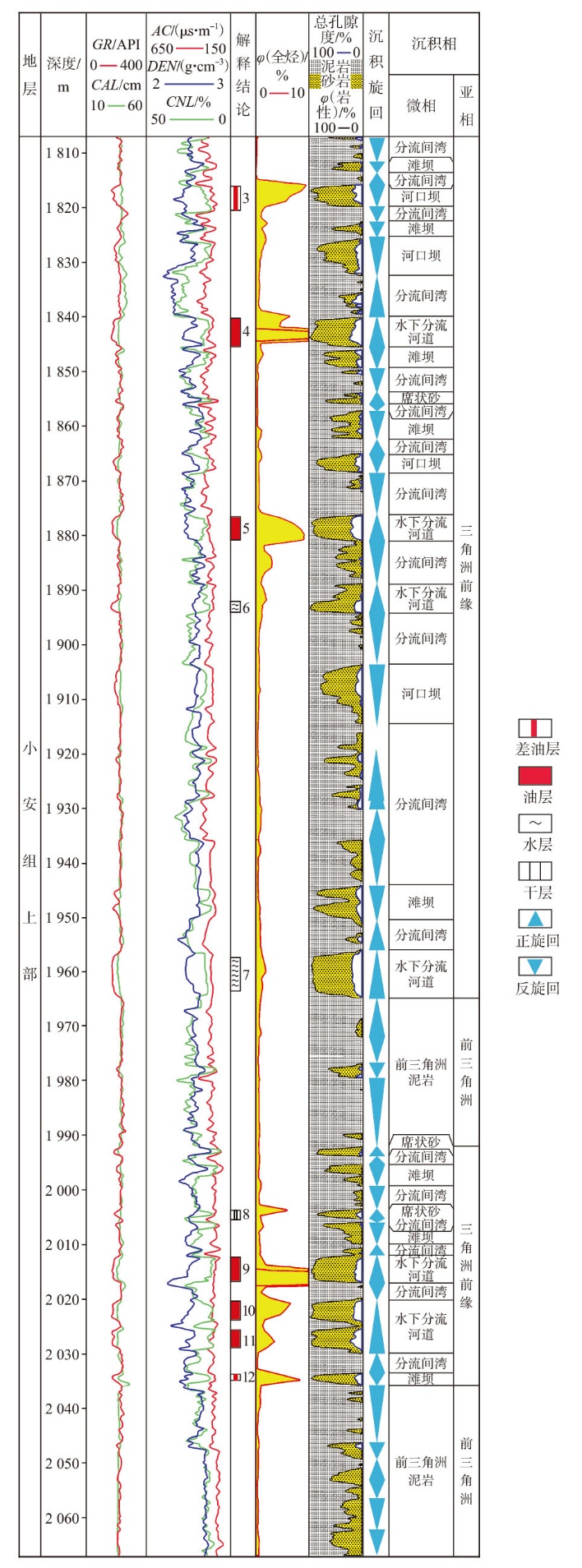
Comprehensive logging column of the top of Paleogene Xiao’an Formation (1 810~2 060 m, not drilled through) in well Yuxiadi-1, Sanmenxia Basin"

Fig. 10

Sedimentary characteristics of Paleogene Xiao’an Formation in Pinglu Sag, Sanmenxia Basin"

Fig. 11

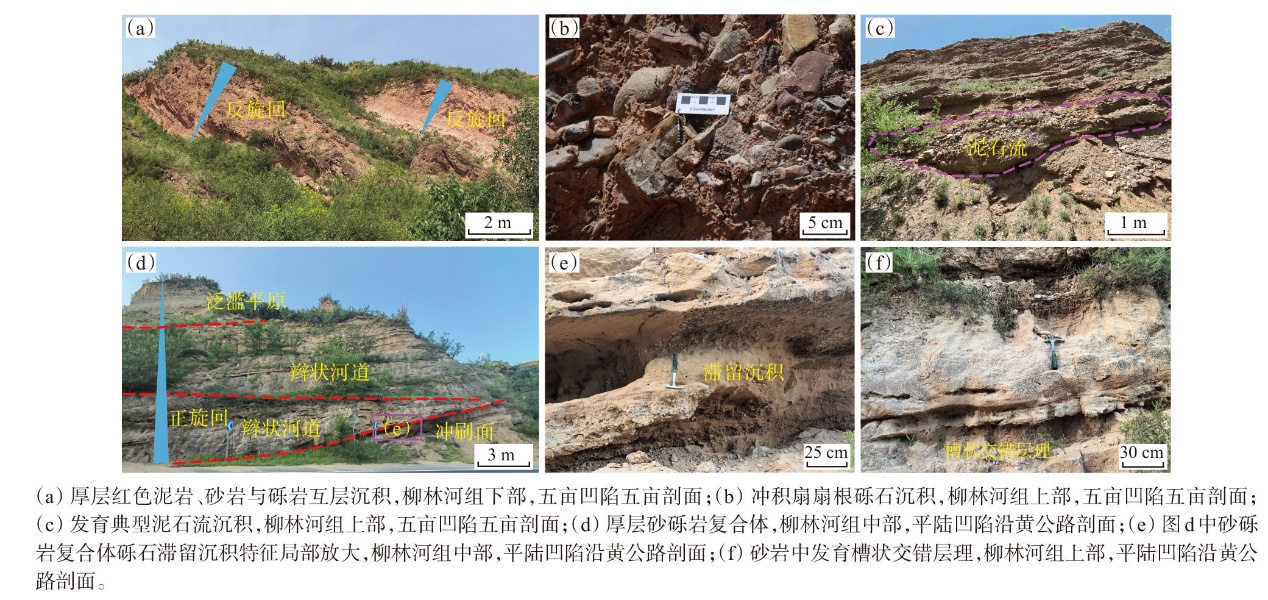
Sedimentary characteristics of Paleogene Liulinhe Formation in Wumu Sag and Pinglu Sag, Sanmenxia Basin"

Fig. 12

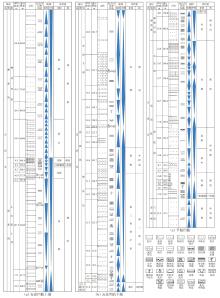
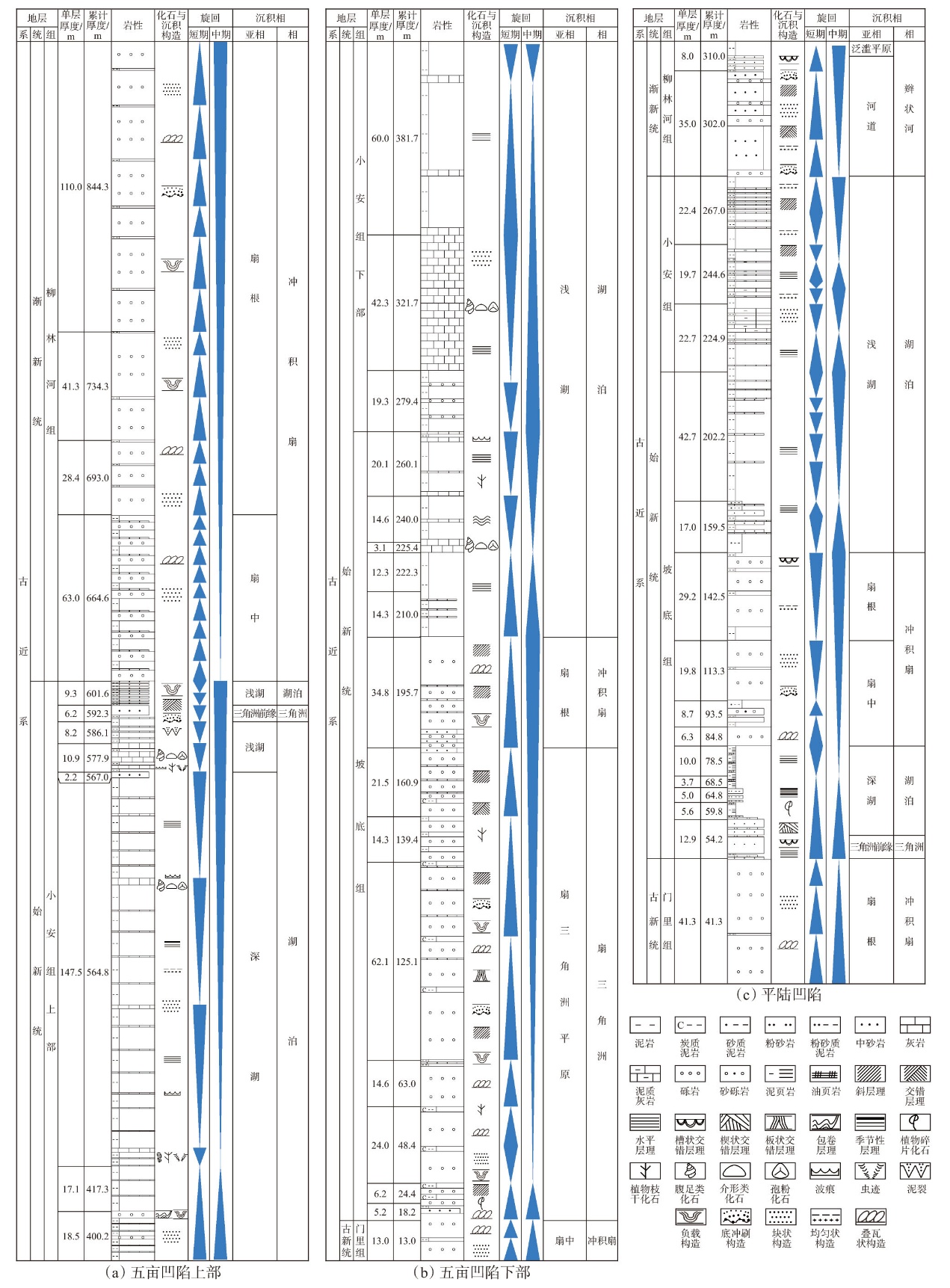
Comprehensive lithologic-stratigraphic column of Paleogene in Wumu Sag and Pinglu Sag, Sanmenxia Basin"

Fig. 13

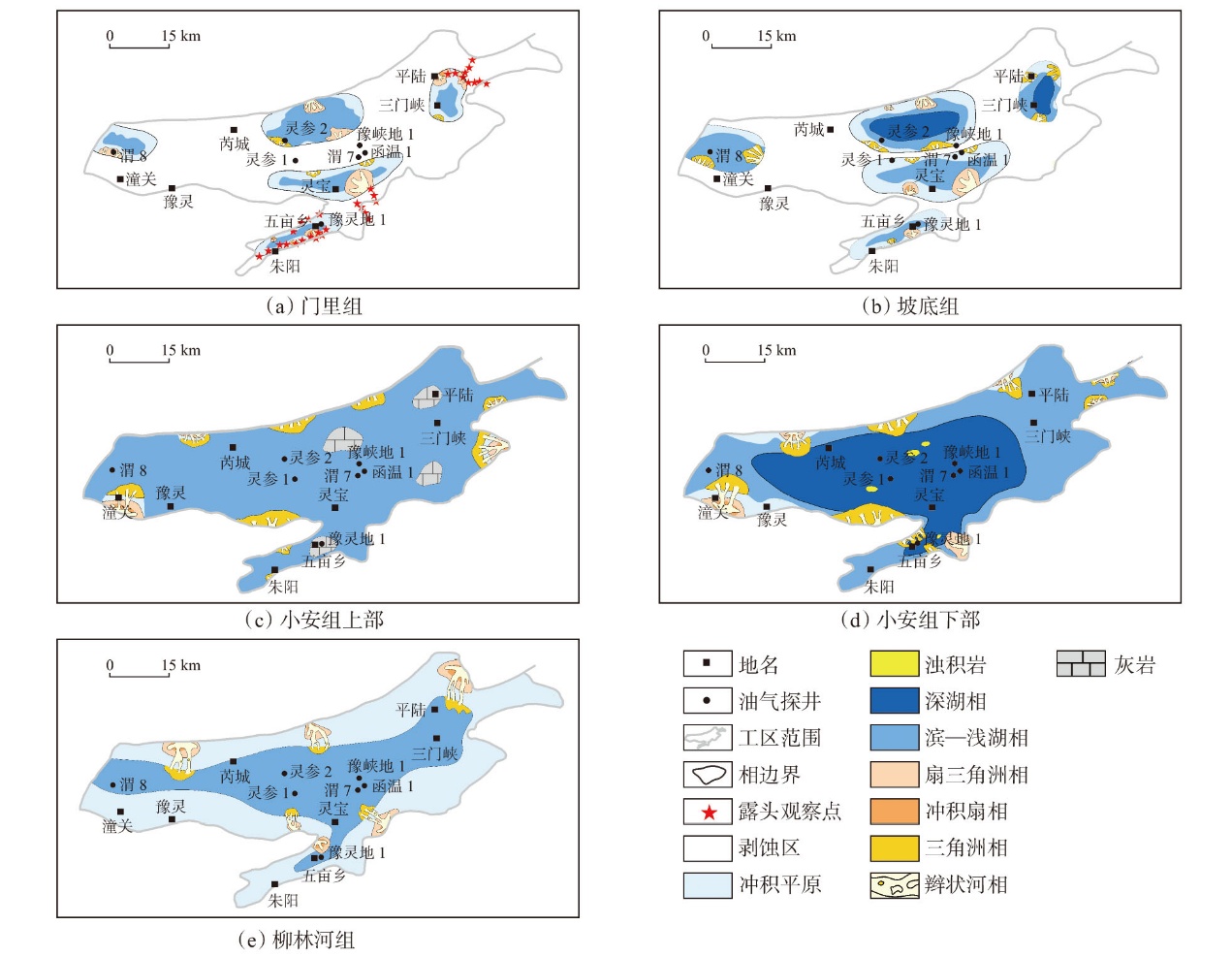
Evolution features of sedimentary facies of Paleogene in Sanmenxia Basin"

Fig. 14

Sedimentary models of Paleogene in Sanmenxia Basin"

Fig. 15

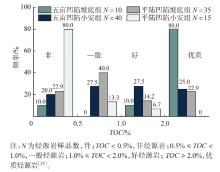
TOC content distribution of Paleogene Xiao’an and Podi formations in Wumu Sag and Pinglu Sag, Sanmenxia Basin"

Fig. 16

Hydrocarbon accumulation models of Paleogene in Sanmenxia Basin"

[1] 淡伟宁, 陈树光, 李志军, 等. 河套盆地油气勘探新领域及有利方向[J]. 石油学报, 2023, 44(12):2217-2230.
DAN Weining, CHEN Shuguang, LI Zhijun, et al. New fields and favorable directions for oil-gas exploration in Hetao Basin[J]. Acta Petrolei Sinica, 2023, 44(12):2217-2230.
[2] 于兴河, 姜辉, 李胜利, 等. 中国东部中、新生代陆相断陷盆地沉积充填模式及其控制因素:以济阳坳陷东营凹陷为例[J]. 岩性油气藏, 2007, 19(1):39-45.
YU Xinghe, JIANG Hui, LI Shengli, et al. Depositional filling models and controlling factors on Mesozoic and Cenozoic fault basins of terrestrial facies in eastern China:A case study of Dongying Sag of Jiyang Depression[J]. Lithologic Reservoirs, 2007, 19(1):39-45.
[3] 刘震, 陈艳鹏, 赵阳, 等. 陆相断陷盆地油气藏形成控制因素及分布规律概述[J]. 岩性油气藏, 2007, 19(2):121-127.
LIU Zhen, CHEN Yanpeng, ZHAO Yang, et al. Distribution and controlling factors of hydrocarbon reservoirs in continental fault basins[J]. Lithologic Reservoirs, 2007, 19(2):121-127.
[4] 刘池洋, 黄雷, 王建强, 等. 小型含油气盆地成因类型、特征与油气赋存[J]. 地球科学与环境学报, 2024, 46(4):427-453.
LIU Chiyang, HUANG Lei, WANG Jianqiang, et al. Genetic classification,characteristics and hydrocarbon occurrence of small-scale petroliferous basins[J]. Journal of Earth Sciences and Environment, 2024, 46(4):427-453.
[5] 杨占龙, 郝彬, 谭开俊, 等. 中国陆上中小盆地群发育特征与油气勘探方向[J]. 岩性油气藏, 2026, 38(2):12-31.
YANG Zhanlong, HAO Bin, TAN Kaijun, et al. Geological features and hydrocarbon exploration directions of medium to small-scale basin group,onshore China[J]. Lithologic Reservoirs, 2026, 38(2):12-31.
[6] 何发岐, 於文辉, 马超, 等. 三门峡断陷盆地及邻区深部结构及成因:来自深地震反射与大地电磁测深的证据[J]. 地质学报, 2024, 98(4):1088-1100.
HE Faqi, YU Wenhui, MA Chao, et al. Deep structure and genesis of Sanmenxia fault basin and its adjacent area:Evidence from deep seismic reflection and magnetotelluric sounding[J]. Acta Geologica Sinica, 2024, 98(4):1088-1100.
[7] 南阳油田石油地质志编写组. 中国石油地质志(卷七)[M]. 北京: 石油工业出版社,1993:337-347.
Petroleum Geology Editors of Nanyang Oilfield. Petroleum geo-logy of China (Vol.7)[M]. Beijing: Petroleum Industry Press,1993:337-347.
[8] 李清瑶, 高永进, 陈夷, 等. 北方重要盆地油气资源战略选区调查工作进展[J]. 中国地质调查, 2024, 11(1):1-8.
LI Qingyao, GAO Yongjin, CHEN Yi, et al. Progress in the strategic selection investigation of oil and gas resources in northern important basins[J]. Geological Survey of China, 2024, 11(1):1-8.
[9] 中国地质调查局油气资源调查中心. 三门峡盆地油气资源调查评价报告[R]. 北京: 中国地质调查局, 2024.
Oil and Gas Survey Center,China Geological Survey. Investiga-tion and assessment report on oil and gas resources in Sanmenxia Basin[R]. Beijing: China Geological Survey, 2024.
[10] 赵洪波, 张龙, 沈立娜, 等. 三门峡盆地油气调查优快钻井技术[J]. 钻探工程, 2024, 51(6):111-118.
ZHAO Hongbo, ZHANG Long, SHEN Lina, et al. Efficient drilling technology for oil and gas survey in Sanmenxia Basin[J]. Drilling Engineering, 2024, 51(6):111-118.
[11] 王丹丹, 刘旭锋, 张交东, 等. 河南三门峡盆地古近系构造沉积特征及油气勘探潜力[J]. 中国地质调查, 2025, 12(1):17-28.
WANG Dandan, LIU Xufeng, ZHANG Jiaodong, et al. Structural sedimentary characteristics and oil & gas exploration potentials of Paleogene System in Sanmenxia basin of Henan province[J]. Geological Survey of China, 2025, 12(1):17-28.
[12] 王丹丹, 张交东, 刘旭锋, 等. 河南三门峡盆地构造格架及其油气资源远景分析[J]. 中国地质, 2024, 51(3):719-727.
WANG Dandan, ZHANG Jiaodong, LIU Xufeng, et al. Structural framework of Sanmenxia Basin,Henan province and its oil and gas resources potential analysis[J]. Geology in China, 2024, 51(3):719-727.
[13] 张交东, 刘旭锋, 白忠凯, 等. 三门峡盆地豫峡地1井油气勘探突破及意义[J]. 石油学报, 2025, 46(3):483-498.
ZHANG Jiaodong, LIU Xufeng, BAI Zhongkai, et al. Oil-gas exploration breakthrough and significance of Well Yuxiadi 1 in Sanmenxia Basin[J]. Acta Petrolei Sinica, 2025, 46(3):483-498.
[14] 张交东, 周新桂, 杨超, 等. 三门峡盆地地质矿产勘查历程和油气发现启示[J]. 中国地质调查, 2025, 12(1):1-16.
ZHANG Jiaodong, ZHOU Xingui, YANG Chao, et al. Exploration history of geological mineral resources in Sanmenxia basin and implications from oil and gas discovery[J]. Geological Survey of China, 2025, 12(1):1-16.
[15] 王景宣. 三门峡灵宝金矿区域成矿及找矿方向的研究[J]. 河南科技, 2013, 32(5):28.
WANG Jingxuan. Study on the regional mineralization and pro-specting direction of Lingbao gold deposit,Sanmenxia area[J]. Journal of Henan Science and Technology, 2013, 32(5):28.
[16] 贾海民. 河南省三门峡市灵宝市地质与矿产调查研究[J]. 世界有色金属, 2016 (17):51-52.
JIA Haimin. Sanmenxia city in Henan Lingbao city geology and mineral investigation[J]. World Nonferrous Metal, 2016(17):51-52.
[17] 刘瑾, 陈兴强, 王平, 等. 渭河-三门峡盆地三门组沉积充填特征、物源区及其构造意义[J]. 地球科学, 2020, 45(7):2673-2683.
LIU Jin, CHEN Xingqiang, WANG Ping, et al. Sedimentary characteristics,provenance and tectonic significance of the Sanmen Formation in Weihe-Sanmenxia Basin[J]. Earth Science, 2020, 45(7):2673-2683.
[18] 冯兴祥. 三门峡盆地的新构造运动与地震活动[J]. 河南师大学报(自然科学版), 1982, 8(1):49-55.
FENG Xingxiang. Neotectonics movement and earthquake activity in Sanmenxia basin[J]. Journal of Henan Normal University (Natural Science Edition), 1982, 8(1):49-55.
[19] 朱大岗, 孟宪刚, 邵兆刚, 等. 山西平陆地区古近纪河湖相地层的重新厘定与划分[J]. 中国地质, 2008, 35(4):656-669.
ZHU Dagang, MENG Xiangang, SHAO Zhaogang, et al. Revision and classification of Paleogene fluvial-lacustrine strata in the Pinglu area,Shanxi[J]. Geology in China, 2008, 35(4):656-669.
[20] SHI Wei, CHEN Long, CHEN Xingqiang, et al. The Cenozoic tectonic evolution of the faulted basins in the northern margin of the Eastern Qinling Mountains,Central China:Constraints from fault kinematic analysis[J]. Journal of Asian Earth Sciences, 2019, 173:204-224.
[21] 李想, 付磊, 魏璞, 等. 沉积古地貌恢复及古地貌对沉积体系的控制作用:以准噶尔盆地石西地区三叠系百口泉组为例[J]. 岩性油气藏, 2025, 37(2):38-48.
LI Xiang, FU Lei, WEI Pu, et al. Restoration of sedimentary paleogeography and its control on sedimentary system:A case study of the Triassic Baikouquan Formation in Shixi area of Junggar Basin[J]. Lithologic Reservoirs, 2025, 37(2):38-48.
[22] 张荣强. 平衡剖面技术在莱州湾地区及周围盆地构造分析中的应用[D]. 北京: 中国地质科学院, 2005.
ZHANG Rongqiang. Application of balanced cross-sections about basin structural analysis in Laizhouwan area[D]. Beijing: Chinese Academy of Geological Sciences, 2005.
[23] 薄尚尚, 田继先, 李曜良, 等. 川东北地区上三叠统须家河组物源分析[J]. 岩性油气藏, 2024, 36(2):99-112.
BO Shangshang, TIAN Jixian, LI Yaoliang, et al. Provenance analysis of Upper Triassic Xujiahe Formation in northeastern Sichuan Basin[J]. Lithologic Reservoirs, 2024, 36(2):99-112.
[24] 朱筱敏, 陈贺贺, 葛家旺, 等. 陆相断陷湖盆层序构型与砂体发育分布特征[J]. 石油与天然气地质, 2022, 43(4):746-762.
ZHU Xiaomin, CHEN Hehe, GE Jiawang, et al. Characterization of sequence architectures and sandbody distribution in continental rift basins[J]. Oil & Gas Geology, 2022, 43(4):746-762.
[25] 赵贤正, 柳广弟, 金凤鸣, 等. 小型断陷湖盆有效烃源岩分布特征与分布模式:以二连盆地下白垩统为例[J]. 石油学报, 2015, 36(6):641-652.
ZHAO Xianzheng, LIU Guangdi, JIN Fengming, et al. Distribution features and pattern of effective source rock in small faulted lacustrine basin:A case study of the Lower Cretaceous in Erlian Basin[J]. Acta Petrolei Sinica, 2015, 36(6):641-652.
[26] 王民, 张宇辰, 邓仔晓, 等. 微波辐射加热对页岩有机质生烃和化学结构的影响机制:与常规加热的对比[J]. 石油学报, 2024, 45(10):1492-1506.
WANG Min, ZHANG Yuchen, DENG Zaixiao, et al. Influence mechanism of microwave irradiation heating on hydrocarbon generation and chemical structure of shale organic matter:A comparison with conventional heating[J]. Acta Petrolei Sinica, 2024, 45(10):1492-1506.
[27] 国家能源局. 烃源岩地球化学评价方法:SY/T5735—2019[S]. 北京: 石油工业出版社, 2019.
National Energy Administration. Geochemicalmethodforsourcerockevaluation:SY/T5735—2019[S]. Beijing: Petroleum Industry Press, 2019.
[1] WANG Yanjun, BIAN Baoli, XIANG Hui, ZHANG Yongjun, SUN Yongxing, XU Xuelong, MA Delong, LI Yun. Reconstruction and petroleum exploration potential of the Permian prototype basin in the periphery of Fukang fault zone, Junggar Basin [J]. Lithologic Reservoirs, 2026, 38(4): 126-136.
[2] LI Hongxi, LI Zhuzheng, CAO Yonghong, ZHAO Lei, FU Yu, XING Chaochao, NING Meng. Sedimentary characteristics and hydrocarbon significance of Sinian Doushantuo Formation in the periphery of Hannan paleo-uplift, northwestern Sichuan Basin [J]. Lithologic Reservoirs, 2026, 38(4): 148-156.
[3] BAI Yiyuan, GONG Hujun, WANG Dongxu, LI Yuan, LUO Fenhong, WANG Junjun. Distribution characteristics and controlling factors of helium in Yanchang exploration area of Ordos Basin [J]. Lithologic Reservoirs, 2026, 38(3): 149-161.
[4] CHEN Xuan, HAO Bin, GOU Hongguang, ZHANG Jing, XU Xiongfei, YANG Zhanlong, HU Jun, HE Changsong. Stratigraphic division of Permian and its exploration significance of Bogda piedmont, northern margin of Tuha Basin [J]. Lithologic Reservoirs, 2026, 38(3): 24-37.
[5] JIANG Long, CHENG Ziyan, SUN Hongxia, LIU Zupeng, LI Zhongxin, TIAN Xuanhua, PENG Linxiong, ZHU Li. Characteristics and lower limit of movable pore throat of shale reservoir of the lower Es3 submember of Paleogene in Bonan subsag, Bohai Bay Basin [J]. Lithologic Reservoirs, 2026, 38(3): 54-66.
[6] ZHAO Ye, XU Peng, HU Hewei, WANG Hang, YANG Jiaojiao. Tectonic characteristics of Miaoxinan area at the margin of Bohai Bay Basin and their controls on hydrocarbon accumulation [J]. Lithologic Reservoirs, 2026, 38(2): 145-152.
[7] XIONG Yu, ZHANG Weicen, LI Yamei, GENG Wenshuang, WU Daoming, MU Dan, LIU Tong. Prediction method of water-to-gas gravity displacement efficiency and interface stability of high-dip angle reservoirs:A case study of Paleogene Shahejie Formation reservoir in Liuzan area of Bohai Bay Basin [J]. Lithologic Reservoirs, 2026, 38(2): 178-193.
[8] CHANG Shaoying, DONG Keliang, ZENG Jianhui, YANG Jining, WANG Mengxiu, LIU Lingli. Tectonic evolution of strike-slip faults and its impact on hydrocarbon migration and accumulation in Fuman Oilfield, Tarim Basin [J]. Lithologic Reservoirs, 2026, 38(2): 44-55.
[9] SUN Yuanfeng, CAO Aifeng, ZHOU Yong, GAO Chenxi, WANG Ke. Sedimentary evolution characteristics and paleogeomorphology-controlled sand distribution patterns of the upper Es4 sub-member of Paleogene in Linnan Subsag, Bohai Bay Basin [J]. Lithologic Reservoirs, 2025, 37(6): 119-130.
[10] LI Chunyang, WANG Boli, YAN Xiao, LI Kesai, DENG Hucheng, SU Jinyi, WU Yajun, YE Tairan. Current geostress logging evaluation of tight reservoir in the fourth member of Triassic Xujiahe Formation in Yuanba area, northeastern Sichuan Basin [J]. Lithologic Reservoirs, 2025, 37(6): 151-161.
[11] CAI Xinlei, LI Qianyi, LI Zheng, ZHANG Yang, ZHANG Guoqiang, FAN Mingpu, LI Mengyao. Research progress and key techniques of exploration and development of helium resource in Weihe Basin [J]. Lithologic Reservoirs, 2025, 37(5): 1-11.
[12] ZHAO Baoyin, YANG Xiaoli, XU Yingxin, MENG Lingjian, CUI Zixuan, WANG Fanglu, LIU Jianlun, YU Fusheng. Characteristics and reservoir control of Cenozoic tectonic evolution of Nanpu Sag,Bohai Bay Basin [J]. Lithologic Reservoirs, 2025, 37(5): 59-69.
[13] LIU Guanbo, CHEN Shijia, LI Shihong, ZOU Yang, LI Yong. Gas generation potential and reservoir formation condition of Permian Fengcheng Formation source rock in Mazhong structural belt of Mahu Sag [J]. Lithologic Reservoirs, 2025, 37(5): 83-96.
[14] YAN Yuyang, XIONG Lianqiao, HE Youbin, CHEN Ying, ZHAO Zhongxiang, LIU Shengqian, LUO Jinxiong, FENG Bin. Source-to-sink system of Paleogene in Huizhou Sag of Pearl River Mouth Basin and its control on reservoir [J]. Lithologic Reservoirs, 2025, 37(5): 166-177.
[15] ZHENG Xin, JIANG Donghui, LI Kun, ZHUANG Jianjian, ZHANG Chuanyun, YANG Chao, YUAN Zhongpeng, WANG Jiaqi. Sand control patterns of fault-landforms-sedimentary slope break and their significance for oil and gas exploration: A case study of the northern section of Baochu slope zone in Xihu Sag,East China Sea Basin [J]. Lithologic Reservoirs, 2025, 37(4): 95-104.
Viewed
Full text


Abstract

Cited

  Shared   
  Discussed   
No Suggested Reading articles found!
TRENDMD: