Lithologic Reservoirs ›› 2026, Vol. 38 ›› Issue (4): 180-190.doi: 10.12108/yxyqc.20260416

• PETROLEUM ENGINEERING AND OIL & GAS FIELD DEVELOPMENT • Previous Articles     Next Articles

Experimental characterization of dynamic injection-production capacity behavior in offshore discontinuous chemical flooding

WEI Zhijie1,2(), LIU Ben1,2(), ZHANG Jian1,2, ZHOU Wensheng1,2, YONG Wei1,2, LIU Yuyang1,2   

  1. 1 State Key Laboratory of Efficient Development of Offshore Oil and Gas, Beijing 102209, China
    2 CNOOC Research Institute Co., Ltd., Beijing 102209, China
  • Received:2025-10-10 Revised:2025-11-10 Online:2026-07-01 Published:2026-07-06
  • Contact: LIU Ben E-mail:weizhj5@cnooc.com.cn;liuben6@cnooc.com.cn

Abstract:

In response to challenges such as declining injection-production capacity and limited sweep efficiency in conventional polymer flooding of offshore high water-cut oilfields, the experimental study on variation patterns of injection-production capacity in discontinuous chemical flooding was conducted. Through core flooding experiments, two-dimension physical plate model simulations, and numerical simulation, dynamic response characteristics and mechanisms of discontinuous injection methods were revealed. The results show that: (1) Using discontinuous chemical flooding technology in high water-cut offshore oilfields, through the synergistic slug action of “high-concentration plugging and low-concentration displacement”, the distribution of displacement pressure within the reservoir was optimized. The recovery degree of low-permeability layers increased by 8.4% and the recovery factor of high-permeability layers increased by 7.4%. (2) The discontinuous injection method significantly improved the injection-production capacity, with water absorption index decreasing by 4.18% du-ring the high-concentration slug injection stage and water absorption index increasing by 14.41% during the low-concentration slug injection stage, resulting in an overall increase of 5.12%. (3) The concentration gradient control effectively improves sweep efficiency, increasing the liquid intake volume of low-permeability layers by 3.6%, and enhancing the synchronous fluid movement across layers with different permeabilities. (4) Numerical simulation results verified the effectiveness of the discontinuous injection method. In the experiment, the distribution of reservoir pressure field and flow field was reconstructed. The crude oil viscosity degradation and the formation of “oil bank”were effectively suppressed by appyling the discontinuous chemical flooding technology. The “plugging-diversion” synergistic mechanism can achieve balanced displacement and efficient development in high water-cut offshore oilfields.

Key words: offshore oilfield, discontinuous injection, polymer flooding, injection-production capacity, slug combination, pressure field reconstruction, numerical simulation, high water-cut oilfield

CLC Number: 

  • TE312

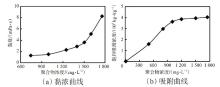
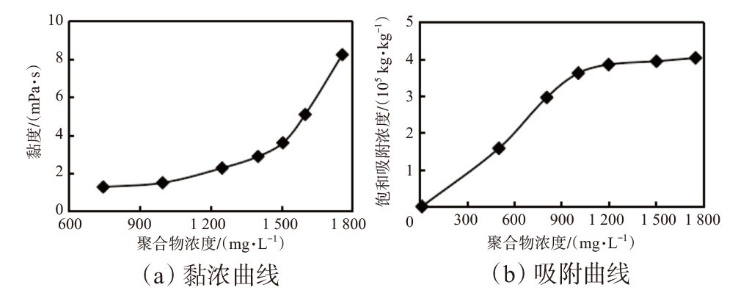
Fig. 1

Viscosity-concentration correlation curve (a) and static adsorption curve (b) of the polymer solution in one-dimension core flooding experiment"

Table 1

Mineral salt composition of the water used in one-dimension core flooding experiments"

无机盐类型 浓度/(mg·L-1
KCl 104.07
Na2SO4 126.16
NaCl 7 295.39
CaCl2 766.37
MgCl2·6H2O 1 342.17
NaHCO3 428.92
Na2CO3 25.10

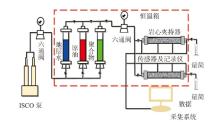
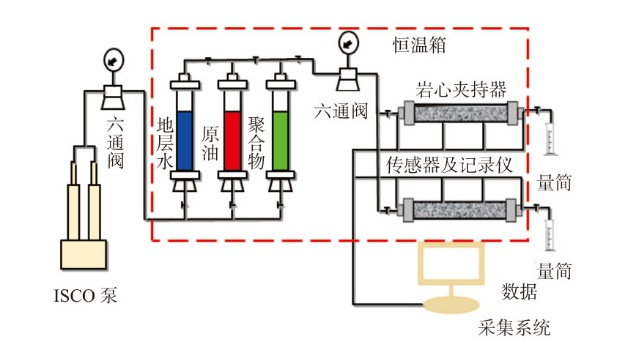
Fig. 2

Setup and workflow of dual-tube one-dimension core flooding experiment"

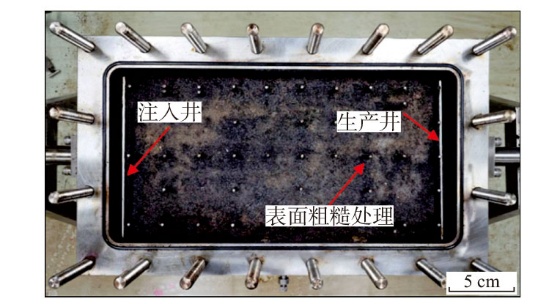
Fig. 3

Object photos of two-dimension plate model flooding experiment"

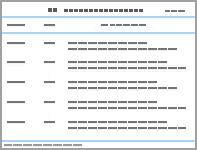
Table 2

Statistics of parameters for dual-tube one-dimension core flooding experiments"

注入方式 流速/(mL·min-1 转注时机 段塞组合方式 后续水驱
注入量(PV)
实验温度下
原油黏度/(mPa·s)
渗透率/mD
连续注入 1.5 含水68% 0.6 PV聚合物(1 750 mg/L) 0.6 68.5 1.05 + 3. 05
非连续
注入
1.5 含水68% 0.3 PV高浓度聚合物(1 950 mg/L) + 0.3 PV低浓度聚合物(1 550 mg/L) 0.6 68.5 1.05 + 3.10

Table 3

Experimental scheme for two-dimension plate model"

注入方式 模型 ρ(聚合物)/
(mg·L-1
矿化度/
(mg·L-1
渗透率/mD 段塞组合方式 注入速度/
(mL·min-1
连续注入 非均质 1 750 6 071 1.0+2.0 水驱至含水68% + 0.6 PV
聚合物 + 0.6 PV水
5
非连续注入 非均质 1 950、
1 550
6 071 1.0+2.0 水驱至含水68% + 0.3 PV高浓度聚合物 + 0.3 PV低浓度聚合物 + 0.6 PV水 5

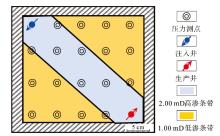
Fig. 4

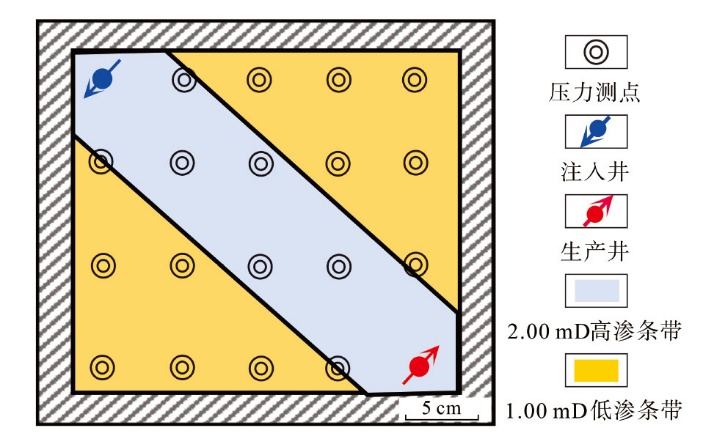
Permeability distribution of two-dimension heterogeneous plate model flooding experiment (vertical well)"

Fig. 5

Comparison of flooding performance between discontinuous injection and continuous injection in one-dimension core flooding experiments"

Table 4

Parameters of one-dimension core flooding experiments with discontinuous injection and continuous injection"

注入方式 级差 渗透率/mD ρ(聚合物)/
(mg·L-1
矿化度/(mg·L-1 孔隙度/% 段塞组合方式
连续注入 2 1.530/3.252 1 750 6 071 33.3/43.5 水驱至含水68% + (0.6 PV聚合物) + 0.6 PV水
非连续注入 2 1.530/3.252 1 950、1 550 6 071 33.3/43.5 水驱至含水68%+ (0.3 PV高浓度聚合物 + 0.3 PV低浓度聚合物) + 0.6 PV水

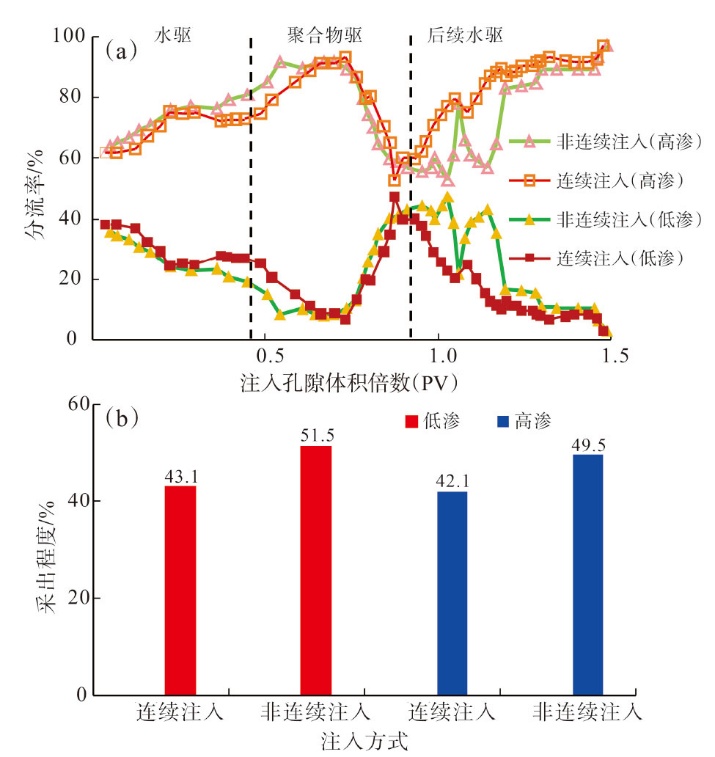
Fig. 6

Variation of flow split ratio(a)and recovery factor(b)with injection volume under different injection schemes in high- and low-permeability layers of one-dimension core flooding experiments"

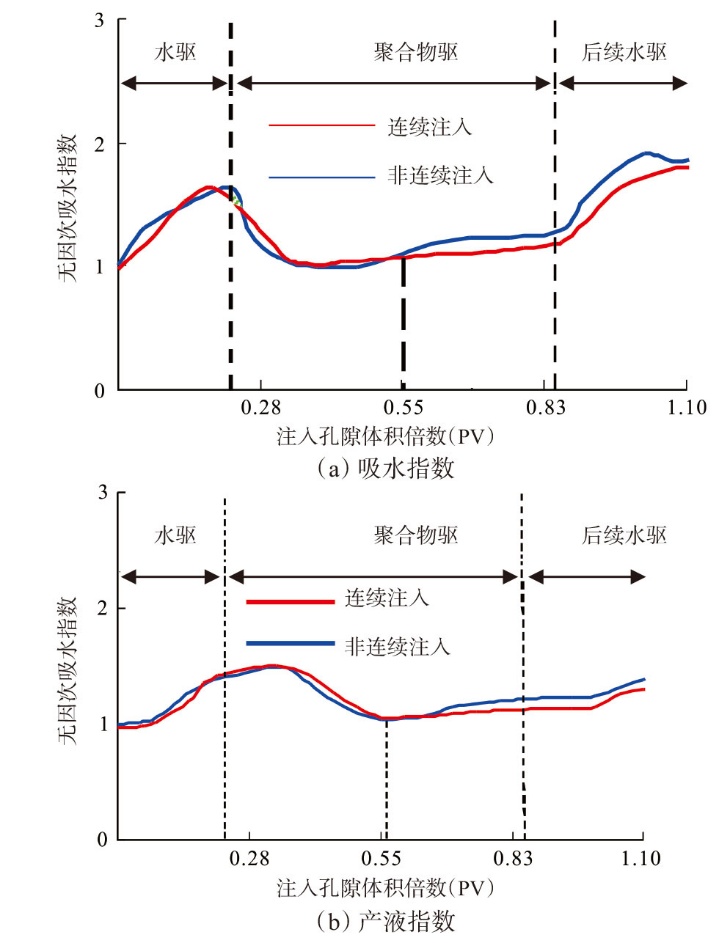
Fig. 7

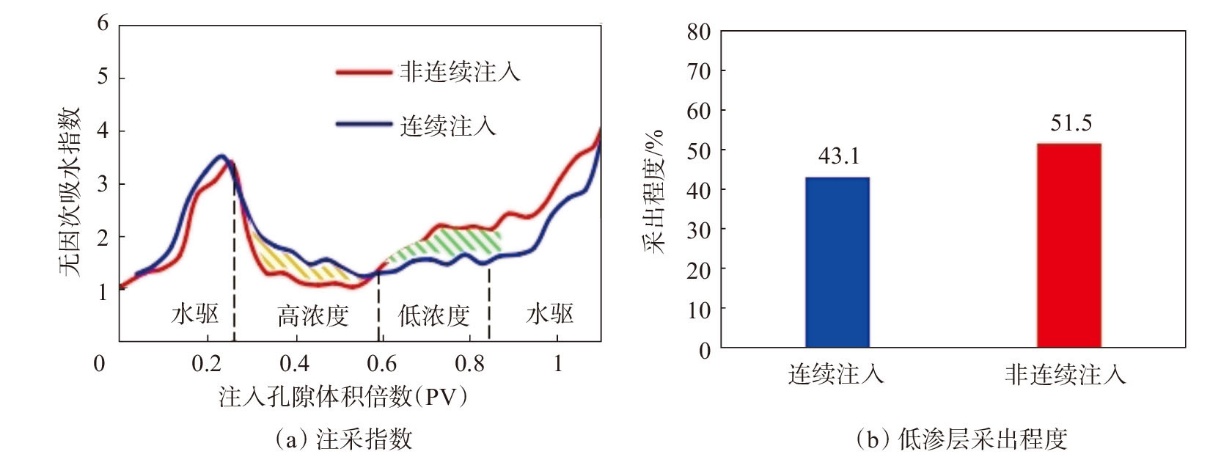
Effect of different injection schemes on the injection-production capacity in two-dimension plate model flooding experiments"

Fig. 8

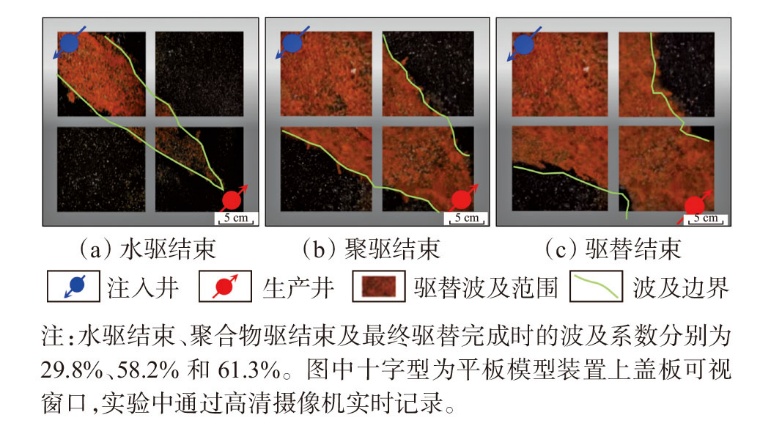
Sweep pattern during chemical flooding with continuous injection in two-dimension plate model experiment"

Fig. 9

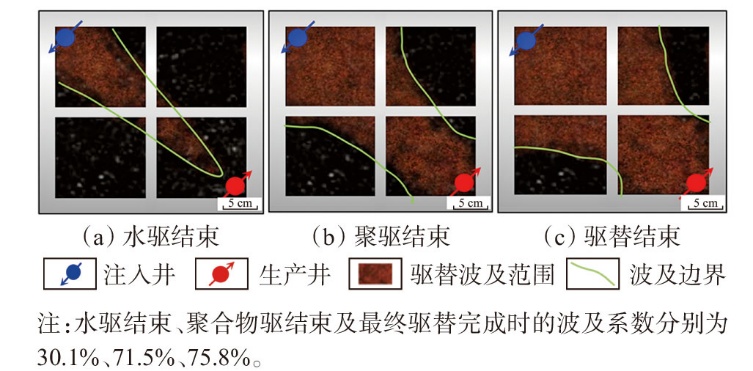
Sweep pattern during chemical flooding with discontinuous injection in two-dimension plate model experiment"

Table 5

Statistics of main parameters for numerical simulation of the determinant concept model of “one injection, one production” in actual vertical well development reservoirs"

参数 数值 参数 数值
渗透率/mD 2.29 ρ(高低浓度
聚合物)/(mg·L-1
(高浓度聚合
物)1 950、
(低浓度聚合
物)1 550
孔隙度/% 32 聚合物黏度/(mPa·s) 8.2
网格数 11×11×14 残余阻力系数 1.6
网格尺寸/m3 7.5×7.5×1.4 注入速度/(PV·a-1 0.055
初始温度/℃ 64 转注时含水/% 68
初始压力/MPa 14 聚合物段塞/PV 0.6

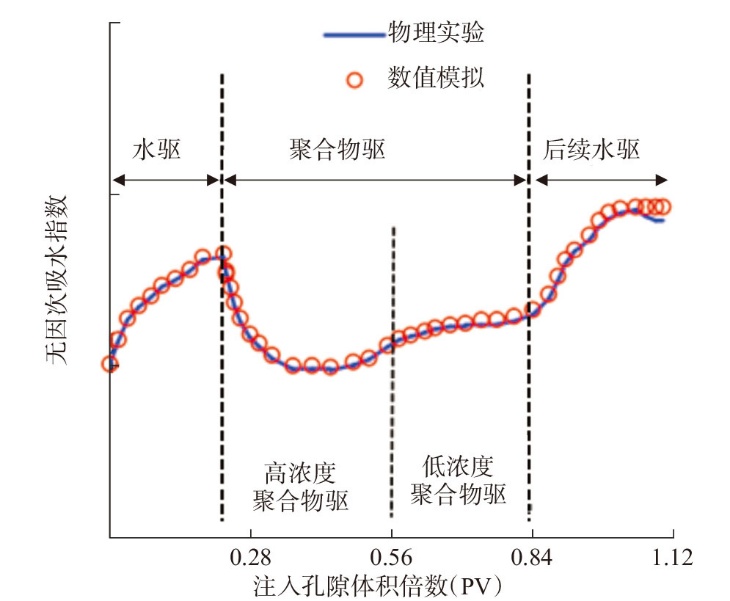
Fig. 10

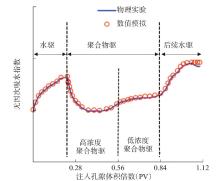
Comparison of dimensionless water absorption index curves from numerical simulation of the determinant concept model of “one injection, one production” in actual vertical well development reservoirs and physical simulation curves of actual performance from a typical field well group"

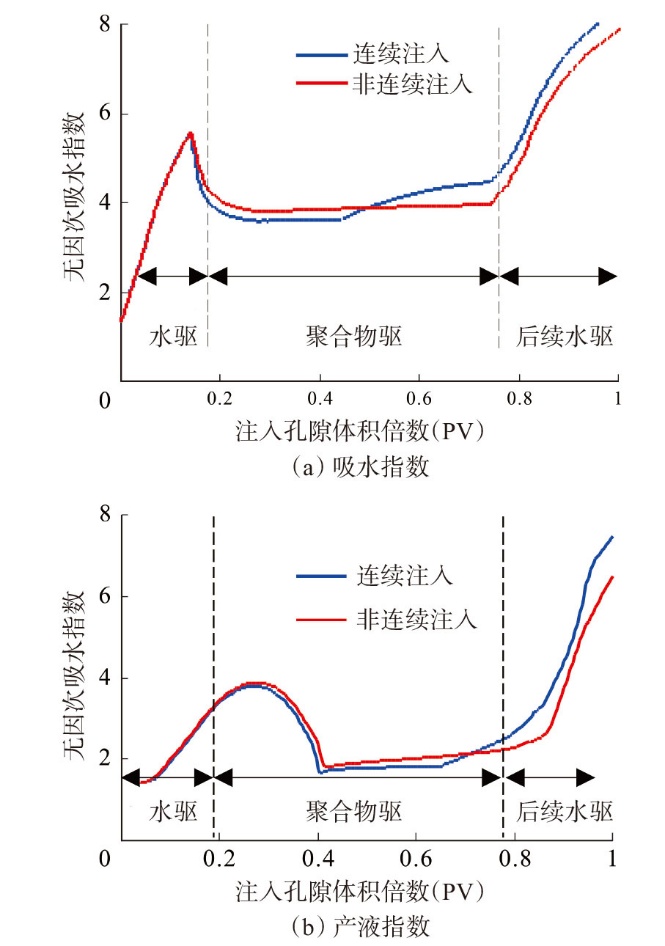
Fig. 11

Influence of different injection schemes on the injection-production index from numerical simulation of the determinant concept model of “one injection, one production” in actual vertical well development reservoirs"

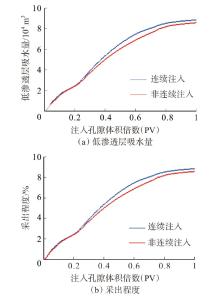
Fig. 12

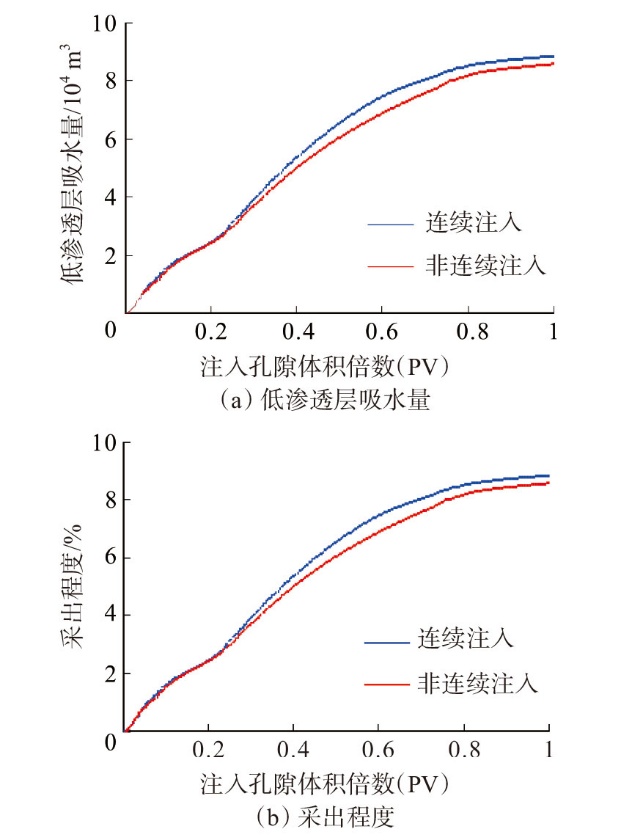
Influence of different injection schemes on the development performance based on numerical simulation of the determinant concept model of “one injection, one production” in actual vertical well development reservoirs"

Fig. 13

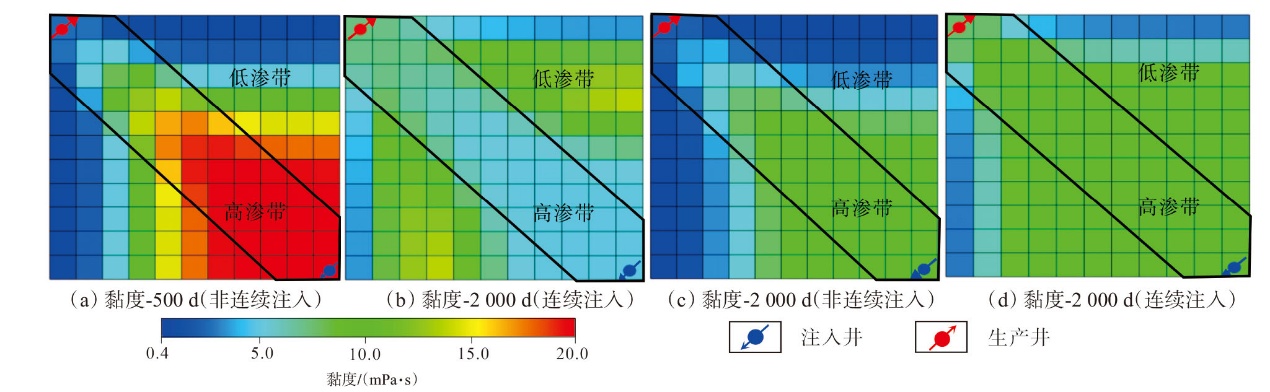
Physical field variations of aqueous-phase viscosity under different injection schemes based on numerical simulation of the determinant concept model of “one injection, one production” in actual vertical well development reservoirs"

[1] SORBIE K S, SERIGHT R S. Gel placement in heterogeneous systems with crossflow[R]. Tulsa,SPE/DOE Enhanced Oil Recovery Symposium, 1992.
[2] 康晓东, 孙哲, 张健, 等. 海上油田非均衡化学驱理念、模式及先期实践[J]. 科学技术与工程, 2021, 21(11):4418-4426.
KANG Xiaodong, SUN Zhe, ZHANG Jian, et al. The concept,pattern and pilot test of non-equilibrium chemical flooding in offshore oilfields[J]. Science Technology and Engineering, 2021, 21(11):4418-4426.
[3] 王德民, 程杰成, 吴军政, 等. 聚合物驱油技术在大庆油田的应用[J]. 石油学报, 2005, 26(1):74-78.
WANG Demin, CHENG Jiecheng, WU Junzheng, et al. Application of polymer flooding technology in Daqing oilfield[J]. Acta Petrolei Sinica, 2005, 26(1):74-78.
[4] WANG Dongmei. Polymer flooding practice in Daqing[M]// SHENG J J. Enhanced oil recovery field case studies. Amsterdam: Gulf Professional Publishing,2013:83-116.
[5] 未志杰, 康晓东, 何春百, 等. 海上稠油聚合物驱交替注入参数优化研究[J]. 特种油气藏, 2018, 25(1):78-84.
WEI Zhijie, KANG Xiaodong, HE Chunbai, et al. Alternating injection parameter optimization of polymer flooding in offshore heavy-oil reservoir[J]. Special Oil & Gas Reservoirs, 2018, 25(1):78-84.
[6] 张健. 海上高含水油田非连续化学驱模式研究[J]. 中国海上油气, 2023, 35(1):70-77.
ZHANG Jian. Study on discontinuous chemical flooding model of offshore high water cut oilfield[J]. China Offshore Oil and Gas, 2023, 35(1):70-77.
[7] 张健, 李宜强, 李先杰, 等. 渤海油田非连续化学驱提高采收率机理[J]. 石油学报, 2024, 45(6):988-998.
ZHANG Jian, LI Yiqiang, LI Xianjie, et al. Mechanism of enhanced oil recovery by discontinuous chemical flooding in Bohai oilfield[J]. Acta Petrolei Sinica, 2024, 45(6):988-998.
[8] 卢祥国, 何欣, 曹豹, 等. 聚合物驱吸液剖面反转机制、应对方法及实践效果[J]. 石油学报, 2023, 44(6):962-974.
LU Xiangguo, HE Xin, CAO Bao, et al. Injection profile reversal mechanisms of polymer flooding and its countermeasures and practical effects[J]. Acta Petrolei Sinica, 2023, 44(6):962-974.
[9] 卢祥国, 曹豹, 谢坤, 等. 非均质油藏聚合物驱提高采收率机理再认识[J]. 石油勘探与开发, 2021, 48(1):148-155.
LU Xiangguo, CAO Bao, XIE Kun, et al. EOR mechanisms of polymer flooding in a heterogeneous oil reservoir[J]. Petroleum Exploration and Development, 2021, 48(1):148-155.
[10] 李鹏华, 李兆敏, 赵金省, 等. 多段塞平行聚能提高聚合物驱后采收率实验研究[J]. 石油学报, 2010, 31(1):110-113.
LI Penghua, LI Zhaomin, ZHAO Jinsheng, et al. Experimental study on multi-slugs parallel gathering energy for enhancing oil recovery after polymer flooding[J]. Acta Petrolei Sinica, 2010, 31(1):110-113.
[11] 杨森, 舒政, 赖南君, 等. 不同浓度聚合物段塞交替注入提高采收率技术[J]. 西安石油大学学报 (自然科学版), 2021, 36(2):57-62.
YANG Sen, SHU Zheng, LAI Nanjun, et al. Enhancing oil recovery by alternative injection of polymer slugs with different concentrations[J]. Journal of Xi’an Shiyou University (Natural Science Edition), 2021, 36(2):57-62.
[12] SHARMA M M, FILOCO P R. Effect of brine salinity and crude-oil properties on oil recovery and residual saturations[J]. SPE Journal, 2000, 5(3):293-300.
[13] 谢晓庆. 聚合物驱注采参数无梯度优化新算法[J]. 岩性油气藏, 2019, 31(1):139-146.
XIE Xiaoqing. A new algorithm for non-gradient optimization of injection-production parameters for polymer flooding[J]. Lithologic Reservoirs, 2019, 31(1):139-146.
[14] 黄斌, 许瑞, 傅程, 等. 注采井间优势通道的多层次模糊识别方法[J]. 岩性油气藏, 2018, 30(4):105-112.
HUANG Bin, XU Rui, FU Cheng, et al. Multi-level fuzzy identification method for interwell thief zone[J]. Lithologic Reservoirs, 2018, 30(4):105-112.
[15] 曾杨, 康晓东, 唐恩高, 等. 三层油藏水驱后转聚驱的试井解释方法[J]. 岩性油气藏, 2018, 30(5):146-153.
ZENG Yang, KANG Xiaodong, TANG Engao, et al. Well test analysis method for polymer flooding after water flooding in triple-layer reservoir[J]. Lithologic Reservoirs, 2018, 30(5):146-153.
[16] 刘晨, 王凯, 王业飞, 等. 针对A油田的抗温、抗盐聚合物/表面活性剂二元复合驱油体系研究[J]. 岩性油气藏, 2017, 29(3):152-158.
LIU Chen, WANG Kai, WANG Yefei, et al. Polymer/surfactant binary flooding in A oilfield with high temperature and high salinity[J]. Lithologic Reservoirs, 2017, 29(3):152-158.
[17] 潘广明, 张彩旗, 刘东, 等. 海上稠油油藏弱凝胶调驱提高采收率技术[J]. 特种油气藏, 2018, 25(3):140-143.
PAN Guangming, ZHANG Caiqi, LIU Dong, et al. Weak-gel profile-control flooding to enhance oil recovery in offshore heavy-oil reservoir[J]. Special Oil & Gas Reservoirs, 2018, 25(3):140-143.
[18] 韩培慧, 闫坤, 曹瑞波, 等. 聚驱后油层提高采收率驱油方法[J]. 岩性油气藏, 2019, 31(2):143-150.
HAN Peihui, YAN Kun, CAO Ruibo, et al. Oil displacement methods for enhanced oil recovery after polymer flooding[J]. Lithologic Reservoirs, 2019, 31(2):143-150.
[19] 谢坤, 苏程, 刘长龙, 等. Cr3+聚合物弱凝胶调驱剖面变化规律及改善方法[J]. 岩性油气藏, 2022, 34(6):160-170.
XIE Kun, SU Cheng, LIU Changlong, et al. Profile change rule during Cr3+ polymer weak gel flooding and related improvement method[J]. Lithologic Reservoirs, 2022, 34(6):160-170.
[20] 孙龙德, 伍晓林, 周万富, 等. 大庆油田化学驱提高采收率技术[J]. 石油勘探与开发, 2018, 45(4):636-645.
SUN Longde, WU Xiaolin, ZHOU Wanfu, et al. Technologies of enhancing oil recovery by chemical flooding in Daqing oilfield,NE China[J]. Petroleum Exploration and Development, 2018, 45(4):636-645.
[21] 王飞琼, 程明佳, 程自力, 等. 渤海海上油田开发调整策略及效果[J]. 石油天然气学报, 2011, 33(12):148-151.
WANG Feiqiong, CHENG Mingjia, CHENG Zili, et al. Bohai offshore oilfield development adjustment strategy and its effect[J]. Journal of Oil and Gas Technology, 2011, 33(12):148-151.
[22] 张贤松, 唐恩高, 谢晓庆, 等. 海上油田早期注聚开发特征及注入方式研究[J]. 石油与天然气学报, 2013, 35(7):123-126.
ZHANG Xiansong, TANG Engao, XIE Xiaoqing, et al. Study on the characteristics and development pattern of early polymer flooding in offshore oilfields[J]. Journal of Oil and Gas Technology, 2013, 35(7):123-126.
[23] 曹瑞波, 王晓玲, 韩培慧, 等. 聚合物驱多段塞交替注入方式及现场应用[J]. 油气地质与采收率, 2012, 19(3):71-73.
CAO Ruibo, WANG Xiaoling, HAN Peihui, et al. Multi-slug alternative injection method and field application of polymer flooding[J]. Petroleum Geology and Recovery Efficiency, 2012, 19(3):71-73.
[24] 崔传智, 孙莲婷, 单高军, 等. 多层合采油井的多措施同步优化方法[J]. 石油学报, 2023, 44(8):1356-1365.
CUI Chuanzhi, SUN Lianting, SHAN Gaojun, et al. Multi-measure simultaneous optimization method for multi-layer commingled producing wells[J]. Acta Petrolei Sinica, 2023, 44(8):1356-1365.
[25] 曹瑞波, 皮彦夫, 刘国超. 聚驱后油层渗流特征及优势渗流通道形成机制[J]. 岩性油气藏, 2025, 37(6):191-200.
CAO Ruibo, PI Yanfu, LIU Guochao. Characteristics of oil re-servoir seepage and formation mechanism of dominant seepage channel after polymer flooding[J]. Lithologic Reservoirs, 2025, 37(6):191-200.
[26] 刘怡婷, 张怀杰, 钟陵, 等. 聚合物驱注入工艺参数优化及驱油机理研究[J]. 油田化学, 2022, 39(1):100-107.
LIU Yiting, ZHANG Huaijie, ZHONG Ling, et al. Injection parameters optimization and displacement mechanism of polymer flooding[J]. Oilfield Chemistry, 2022, 39(1):100-107.
[27] AL-SHALABI E W. Effects of trapping number on biopolymer flooding recovery of carbonate reservoirs[J]. Petroleum Exploration and Development, 2022, 49(4):895-905.
[28] 崔传智, 李静, 吴忠维. 扩散吸附作用下CO2非混相驱微观渗流特征模拟[J]. 岩性油气藏, 2024, 36(6):181-188.
CUI Chuanzhi, LI Jing, WU Zhongwei. Simulation of microscopic seepage characteristics of CO2 immiscible flooding under the effect of diffusion and adsorption[J]. Lithologic Reservoirs, 2024, 36(6):181-188.
[29] CHEN Xin, LI Yiqiang, LIU Zheyu, et al. Experimental and theoretical investigation of the migration and plugging of the particle in porous media based on elastic properties[J]. Fuel, 2023, 332:126224.
[30] 刘仁静, 陆文明. 断块油藏注采耦合提高采收率机理及矿场实践[J]. 岩性油气藏, 2024, 36(3):180-188.
LIU Renjing, LU Wenming. Mechanism and field practice of enhanced oil recovery by injection-production coupling in fault-block reservoirs[J]. Lithologic Reservoirs, 2024, 36(3):180-188.
[31] 于天忠. 水平井化学驱物理模拟及数值模拟研究[J]. 岩性油气藏, 2013, 25(5):104-108.
YU Tianzhong. Research on physical simulation and numerical simulation of horizontal well chemical flooding[J]. Lithologic Reservoirs, 2013, 25(5):104-108.
[32] ZEYNALLI M, MUSHTAQ M, AL-SHALABI E W, et al. A comprehensive review of viscoelastic polymer flooding in sandstone and carbonate rocks[J]. Scientific Reports, 2023, 13:17679.
[1] DING Yajie, LI Xiang, HAN Zijian, XIE Lei, WEI Pu, WEI Ting, LUO Yang, MA Xinzhao. Fine geological modeling method for Jurassic Sangonghe Formation condensate gas reservoir in Mobei uplift of Junggar Basin [J]. Lithologic Reservoirs, 2026, 38(4): 191-200.
[2] ZHANG Qingfu, ZHANG Shiming, CAO Xiaopeng, LYU Qi, LI Zongyang, YU Jinbiao, WANG Yong. Numerical simulation on the coupling of flow and geomechanics during CO2 huff and puff in shale oil reservoirs [J]. Lithologic Reservoirs, 2026, 38(1): 172-179.
[3] ZHAN Shengyun, TONG Jianxiang, WANG Zhendong, BAI Yuting, WANG Taichao. Development characteristics and reasonable injection-production pressuredifference of SAGD under different injection-production well patternsin bottom water reservoirs [J]. Lithologic Reservoirs, 2025, 37(6): 180-190.
[4] CAO Ruibo, PI Yanfu, LIU Guochao. Characteristics of oil reservoir seepage and formation mechanism ofdominant seepage channel after polymer flooding [J]. Lithologic Reservoirs, 2025, 37(6): 191-200.
[5] JIANG Shan, TANG Yongjian, JIAO Xiarong, LI Wenliang, HUANG Cheng, WANG Ze. Distribution law of remaining gas in condensate gas reservoirs in fault-controlled body of No. 4 fault zone in Shunbei Oilfield, Tarim Basin [J]. Lithologic Reservoirs, 2025, 37(4): 84-94.
[6] YANG Xu, BAI Mingsheng, GONG Hanbo, LI Gao, TAO Zuwen. Characteristics and quantitative prediction of structural fractures in the second member of Triassic Xujiahe Formation in Xinchang area, western Sichuan Basin [J]. Lithologic Reservoirs, 2025, 37(3): 73-83.
[7] ZHAO Ailin, LAI Qiang, FAN Ruiqi, WU Yuyu, CHEN Jie, YAN Shuanglan, ZHANG Jiawei, LIAO Guangzhi. Study on NMR response mechanism and pore structure evaluation method of basic volcanic rock:A case study of Permian Emeishan Basalt Formation in southwestern Sichuan Basin [J]. Lithologic Reservoirs, 2025, 37(3): 153-164.
[8] ZHANG Qinglong, MAO Yuanyuan, FENG Jiansong, YUAN Xuansheng, ZHOU Wei, ZHU Fujin, XUAN Lingling. Quantitative selection and application of well locations for encrypted wells in fractured-porosity carbonate rocks:A case study of Cambrian oil reservoirs in Tanghai Oilfield,Huanghua Depression,Bohai Bay Basin [J]. Lithologic Reservoirs, 2025, 37(3): 165-175.
[9] XU Youjie, REN Zongxiao, XIANG Zuping, FAN Xiaohui, YU Mengnan. Numerical well testing model of fractured well with complex fractures multi-well interference in heterogeneous tight gas reservoirs [J]. Lithologic Reservoirs, 2025, 37(3): 194-200.
[10] HE Yan, XU Weina, DANG Sisi, MOU Lei, LIN Shaoling, LEI Zhangshu. Genesis and exploration significance of calcareous intercalation of Jurassic Xishanyao Formation in Luliang area,Junggar Basin [J]. Lithologic Reservoirs, 2025, 37(1): 90-101.
[11] CHEN Xiao, MIAO Yun, LI Wei, XIE Mingying, SHI Hao, WANG Weifeng. Calculation method for reasonable oil-water well ratio in the edge water drive offshore sandstone oilfield [J]. Lithologic Reservoirs, 2025, 37(1): 194-200.
[12] CUI Chuanzhi, LI Jing, WU Zhongwei. Simulation of microscopic seepage characteristics of CO2 immiscible flooding under the effect of diffusion and adsorption [J]. Lithologic Reservoirs, 2024, 36(6): 181-188.
[13] LIU Renjing, LU Wenming. Mechanism and field practice of enhanced oil recovery by injection-production coupling in fault block reservoirs [J]. Lithologic Reservoirs, 2024, 36(3): 180-188.
[14] BAO Hanyong, LIU Chao, GAN Yuqing, XUE Meng, LIU Shiqiang, ZENG Lianbo, MA Shijie, LUO Liang. Paleotectonic stress field and fracture characteristics of shales of Ordovician Wufeng Formation to Silurian Longmaxi Formation in southern Fuling area,Sichuan Basin [J]. Lithologic Reservoirs, 2024, 36(1): 14-22.
[15] LI Fengfeng, NI Xiaowei, XU Sihui, WEI Xinlu, LIU Diren. Response characteristics and correction of LWD laterolog in anisotropic formations and deviated boreholes [J]. Lithologic Reservoirs, 2023, 35(3): 161-168.
Viewed
Full text


Abstract

Cited

  Shared   
  Discussed   
No Suggested Reading articles found!
TRENDMD: