岩性油气藏 ›› 2026, Vol. 38 ›› Issue (3): 94–106.doi: 10.12108/yxyqc.20260308
川中合川地区志留系龙马溪组页岩岩相测井智能识别方法
刘若彤( ), 张大智, 隋立伟(), 肖利梅, 田亚, 孙山, 彭丹丹, 李建智
中国石油大庆油田有限责任公司 勘探开发研究院 黑龙江 大庆 163712
Intelligent logging identification method for shale lithofacies of Silurian Longmaxi Formation in Hechuan area, central Sichuan Basin
LIU Ruotong(), ZHANG Dazhi, SUI Liwei(), XIAO Limei, TIAN Ya, SUN Shan, PENG Dandan, LI Jianzhi
Exploration and Development Research Institute ,PetroChina Daqing Oilfield Co., Ltd. Daqing 163712,Heilongjiang, China
摘要:
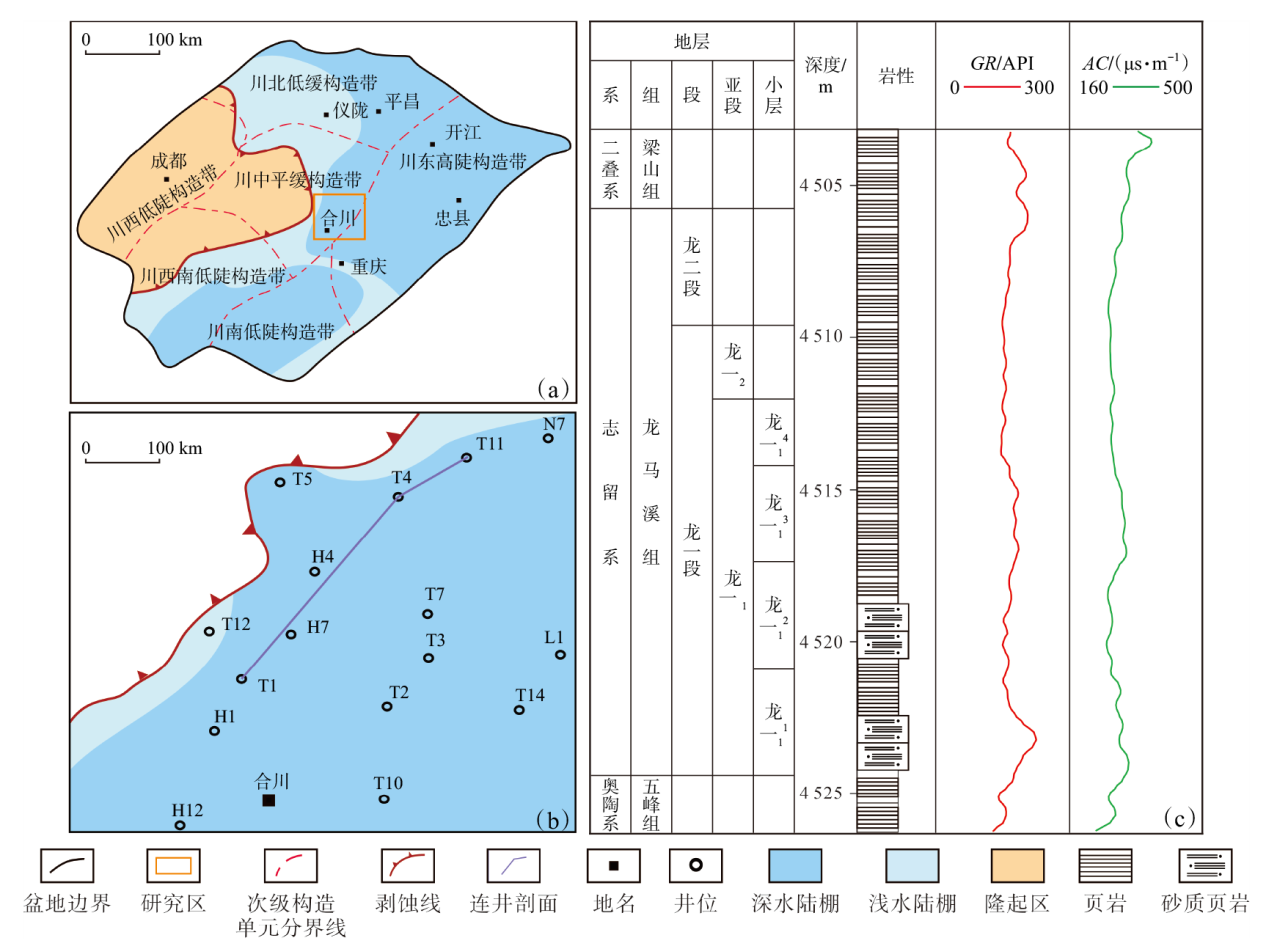
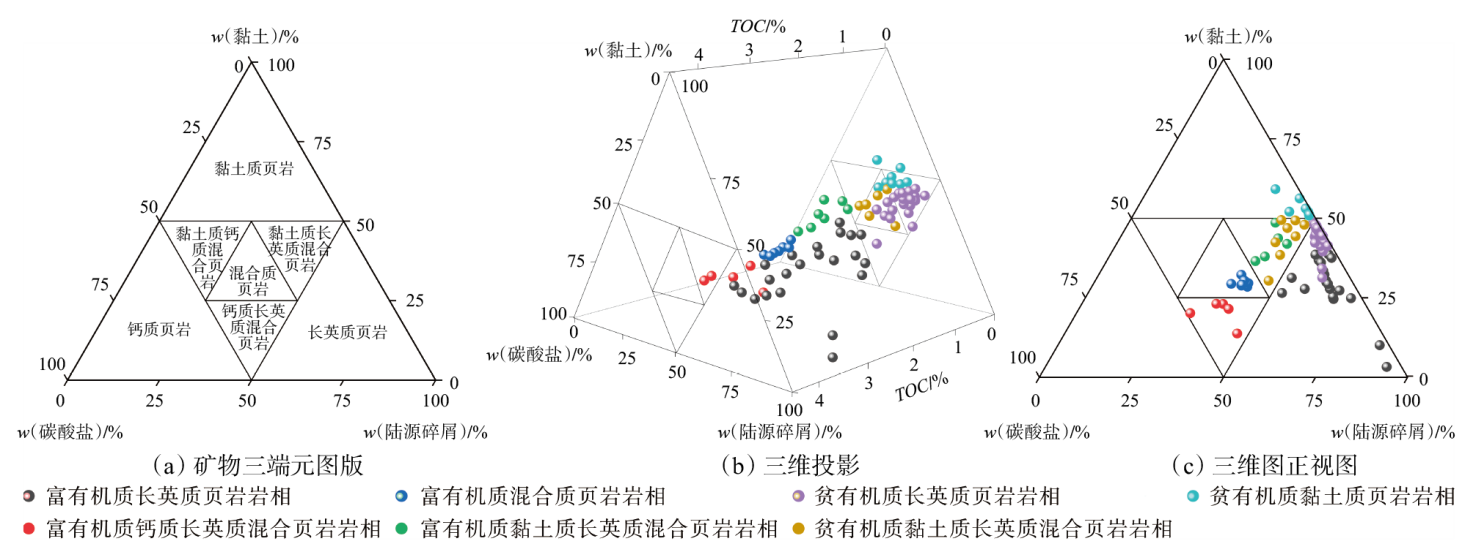
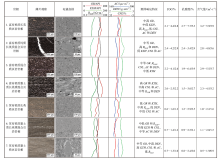
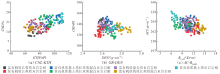
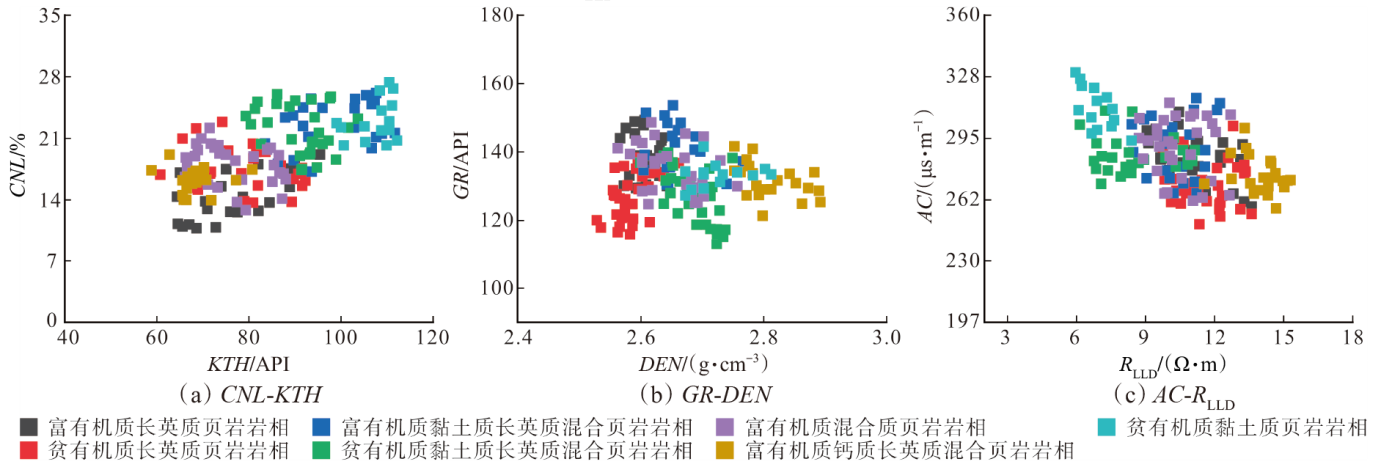
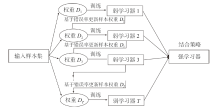
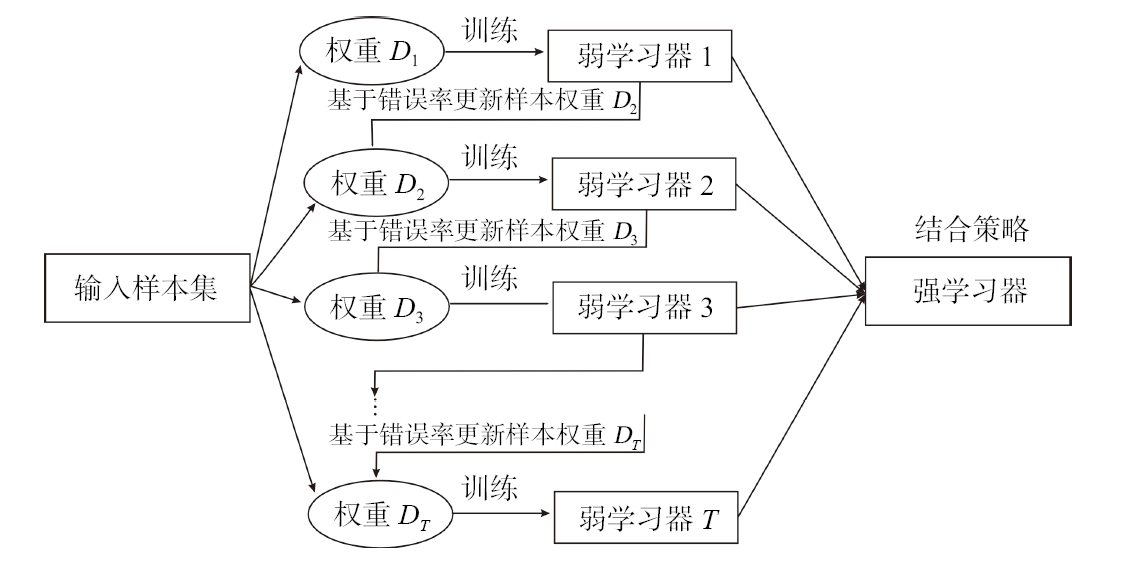
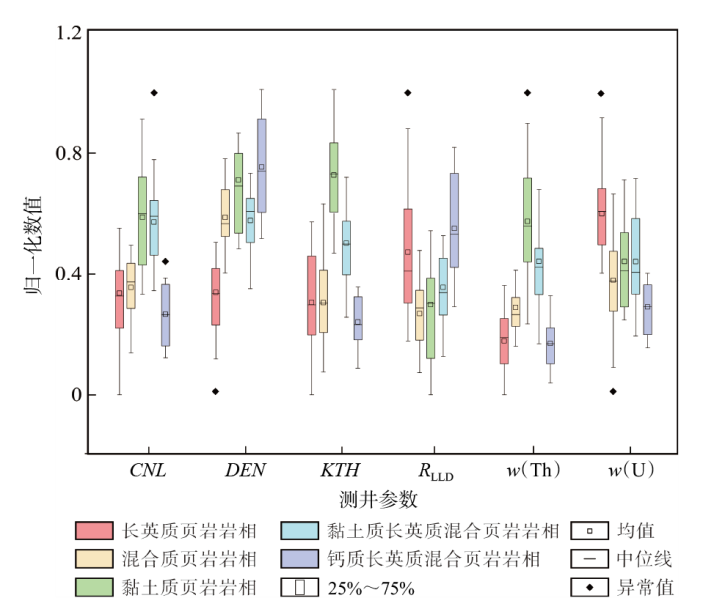
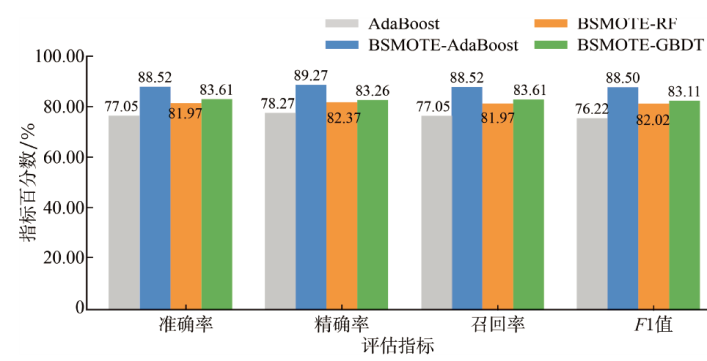
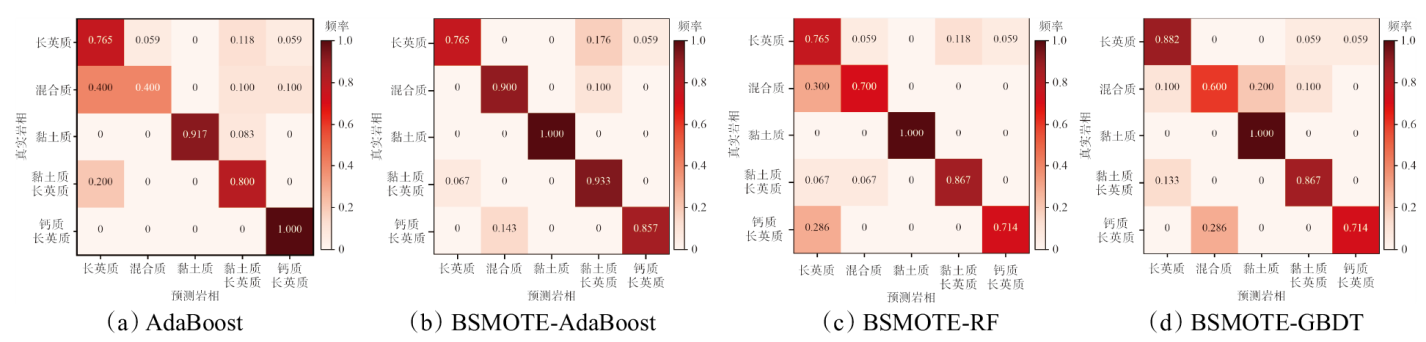
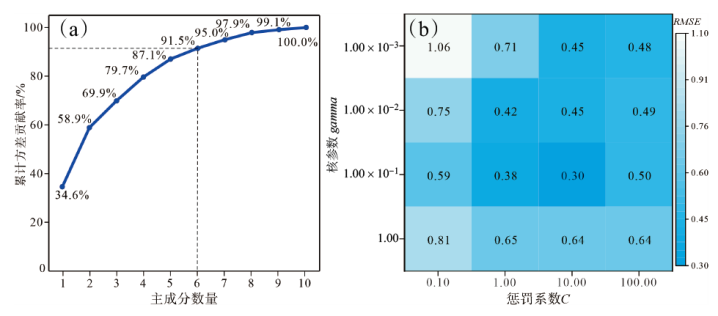
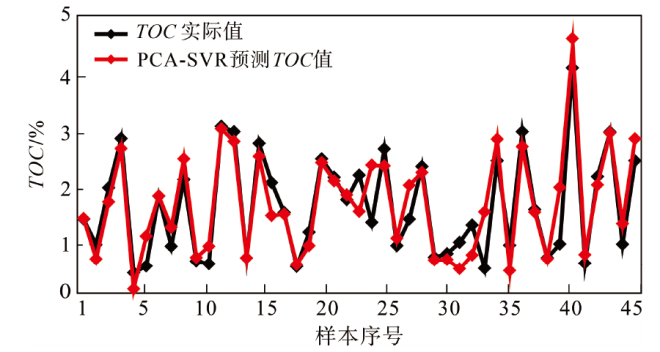
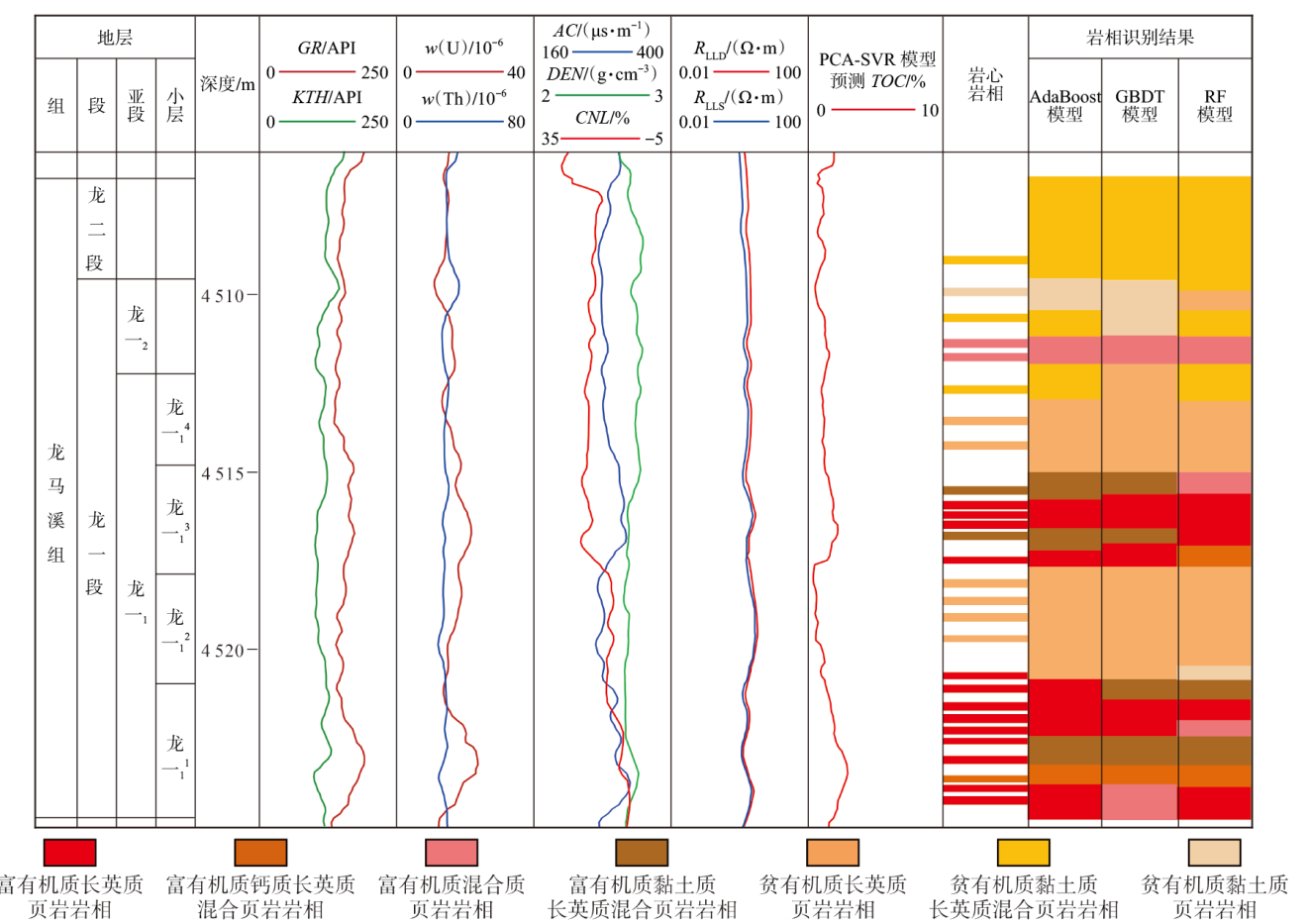
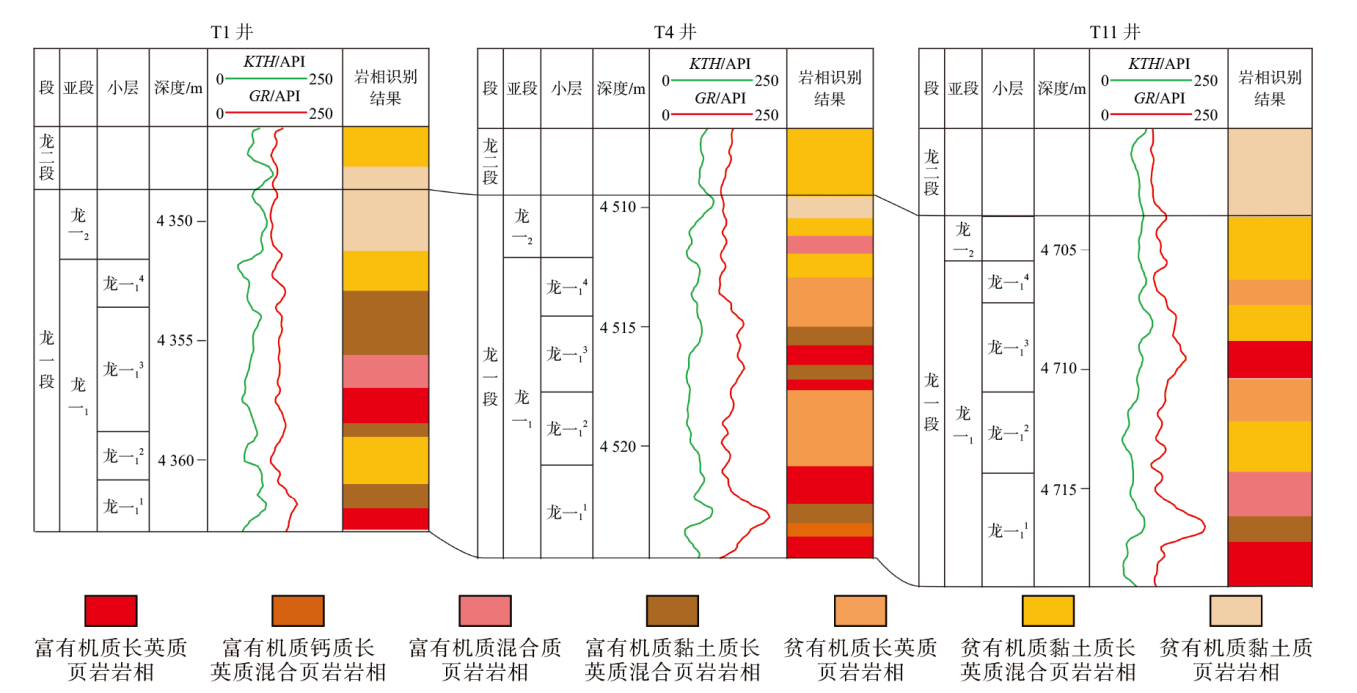
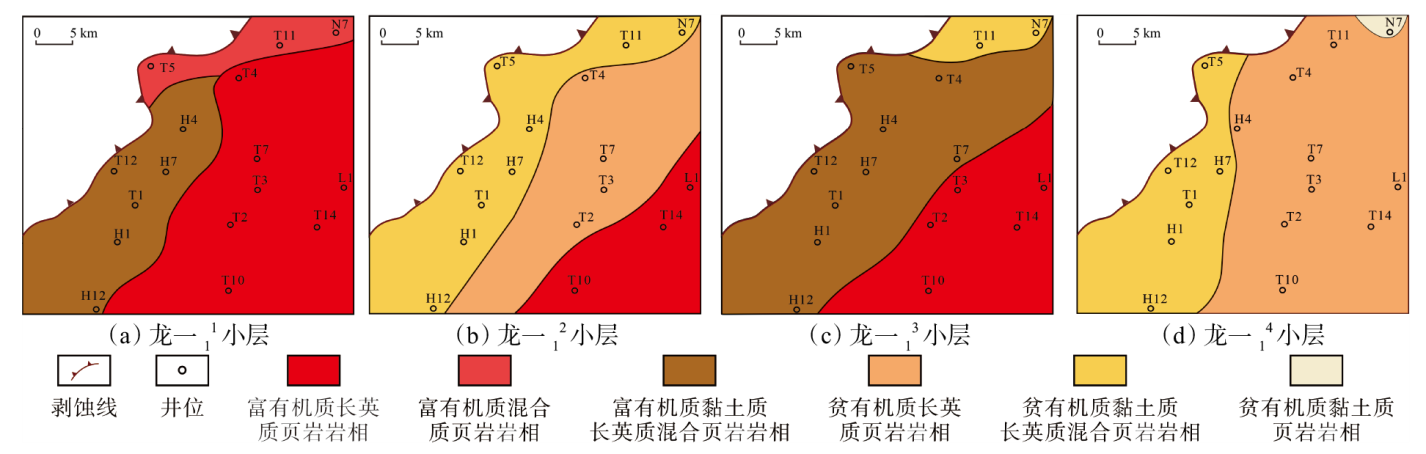
川中合川地区志留系龙马溪组页岩分布广,烃源岩品质好,是页岩气勘探的重点层系。基于岩心实验分析、测井资料,根据矿物组分和TOC含量对岩相进行了划分和测井智能识别,明确了龙马溪组岩相类别及空间展布特征,并划分了岩相有利区。研究结果表明:①合川地区志留系龙马溪组发育7种页岩岩相,以富、贫有机质长英质页岩岩相,富、贫有机质黏土质长英质混合页岩岩相、贫有机质黏土质页岩岩相为主,发育少量富有机质混合质页岩岩相、富有机质钙质长英质混合页岩岩相;其中,富有机质长英质页岩岩相、富有机质混合质页岩岩相、富有机质钙质长英质混合页岩岩相为勘探有利岩相。②测井智能识别方法为,引入BSMOTE算法均衡少数类岩相样本,构建集成学习模型实现矿物组分一级划分,基于主成分分析的支持向量机(PCA-SVR)模型预测TOC含量实现二级划分;BSMOTE-AdaBoost为岩相一级划分最优分类模型,PCA-SVR模型在岩相二级划分检验精度高,盲井验证岩相识别技术符合率达86.7%,区域适用性强。③合川地区志留系龙马溪组页岩相展布受古水深与物源供给控制,岩相纵向上呈现自下而上富有机质长英质页岩岩相向贫有机质混合页岩岩相演化趋势;平面上,有利岩相由NW—SE方向迁移;龙一11小层富有机质长英质岩相连续分布区是勘探关键目标。
中图分类号:
- TE122

| [1] |
李宁, 冯周, 武宏亮, 等. 中国陆相页岩油测井评价技术方法新进展[J]. 石油学报, 2023, 44(1):28-44.
doi: 10.7623/syxb202301003 |
|
LI Ning, FENG Zhou, WU Hongliang, et al. New advances in methods and technologies for well logging evaluation of continental shale oil in China[J]. Acta Petrolei Sinica, 2023, 44(1):28-44.
doi: 10.7623/syxb202301003 |
|
| [2] | 邹才能, 赵群, 丛连铸, 等. 中国页岩气开发进展、潜力及前景[J]. 天然气工业, 2021, 41(1):1-14. |
| ZOU Caineng, ZHAO Qun, CONG Lianzhu, et al. Development progress,potential and prospect of shale gas in China[J]. Natural Gas Industry, 2021, 41(1):1-14. | |
| [3] |
刘勇, 刘永旸, 赵圣贤, 等. 泸州—渝西地区志留系龙马溪组沉积期古地貌特征及控储作用[J]. 岩性油气藏, 2025, 37(2):49-59.
doi: 10.12108/yxyqc.20250205 |
|
LIU Yong, LIU Yongyang, ZHAO Shengxian, et al. Paleogeomorphological characteristics and reservoir control of the sedimentary period of Silurian Longmaxi Formation in Luzhou-Yuxi area[J]. Lithologic Reservoirs, 2025, 37(2):49-59.
doi: 10.12108/yxyqc.20250205 |
|
| [4] |
邱晨, 闫建平, 钟光海, 等. 四川盆地泸州地区奥陶系五峰组—志留系龙马溪组页岩沉积微相划分及测井识别[J]. 岩性油气藏, 2022, 34(3):117-130.
doi: 10.12108/yxyqc.20220311 |
|
QIU Chen, YAN Jianping, ZHONG Guanghai, et al. Sedimentary microfacies division and logging identification of Ordovician Wufeng-Silurian Longmaxi shale in Luzhou area,Sichuan Basin[J]. Lithologic Reservoirs, 2022, 34(3):117-130.
doi: 10.12108/yxyqc.20220311 |
|
| [5] | 王馨佩, 刘成林, 蒋立伟, 等. 渝西大安地区五峰组-龙马溪组深层页岩微观孔隙结构与含气性控制因素[J]. 石油与天然气地质, 2025, 46(1):230-245. |
| WANG Xinpei, LIU Chenglin, JIANG Liwei, et al. Pore microstructure and its controlling effects on gas content of deep shale reservoirs in the Wufeng-Longmaxi formations,Da’an area,western Chongqing[J]. Oil & Gas Geology, 2025, 46(1):230-245. | |
| [6] |
肖威, 张兵, 姚永君, 等. 川东二叠系龙潭组页岩岩相特征与沉积环境[J]. 岩性油气藏, 2022, 34(2):152-162.
doi: 10.12108/yxyqc.20220214 |
|
XIAO Wei, ZHANG Bing, YAO Yongjun, et al. Lithofacies and sedimentary environment of shale of Permian Longtan Formation in eastern Sichuan Basin[J]. Lithologic Reservoirs, 2022, 34(2):152-162.
doi: 10.12108/yxyqc.20220214 |
|
| [7] | 刘粤蛟, 赖富强, 徐浩, 等. 基于测井曲线深程度耦合的页岩岩相智能识别方法[J]. 地质科技通报, 2025, 44(1):308-320. |
| LIU Yuejiao, LAI Fuqiang, XU Hao, et al. Intelligent identification methods for shale lithology based on the coupling deeply of logging curves[J]. Bulletin of Geological Science and Techn-ology, 2025, 44(1):308-320. | |
| [8] | 闫佳飞, 李胜利, 魏泽德, 等. 基于XGBoost算法的页岩岩相测井预测方法[J]. 古地理学报, 2025, 27(3):763-776. |
| YAN Jiafei, LI Shengli, WEI Zede, et al. Shale lithofacies prediction method with well-logging data based on XGBoost algorithm[J]. Journal of Palaeogeography (Chinese Edition), 2025, 27(3):763-776. | |
| [9] | 谌丽, 王才志, 宁从前, 等. 基于机器学习的鄂尔多斯盆地陇东地区长7段岩相测井识别方法[J]. 油气藏评价与开发, 2023, 13(4):525-536. |
| SHEN Li, WANG Caizhi, NING Congqian, et al. Well-log lithofacies classification based on machine learning for Chang-7 member in Longdong area of Ordos Basin[J]. Petroleum Reservoir Evaluation and Development, 2023, 13(4):525-536. | |
| [10] |
赵圣贤, 李博, 陈鑫, 等. 川南天宫堂构造带五峰组—龙马溪组页岩不同纹层内部结构差异及其控制机理[J]. 地学前缘, 2024, 31(5):75-88.
doi: 10.13745/j.esf.sf.2024.6.31 |
|
ZHAO Shengxian, LI Bo, CHEN Xin, et al. Structural diffe-rences of shale laminae and their controlling mechanisms in the Wufeng-Longmaxi Formations in Tiangongtang,southwestern Sichuan[J]. Earth Science Frontiers, 2024, 31(5):75-88.
doi: 10.13745/j.esf.sf.2024.6.31 |
|
| [11] |
何文渊, 白雪峰, 蒙启安, 等. 四川盆地陆相页岩油成藏地质特征与重大发现[J]. 石油学报, 2022, 43(7):885-898.
doi: 10.7623/syxb202207001 |
|
HE Wenyuan, BAI Xuefeng, MENG Qi’an, et al. Accumulation geological characteristics and major discoveries of lacustrine shale oil in Sichuan Basin[J]. Acta Petrolei Sinica, 2022, 43(7):885-898.
doi: 10.7623/syxb202207001 |
|
| [12] | 印长海, 王显东, 王有智, 等. 四川盆地大庆探区油气勘探开发进展及前景展望[J]. 大庆石油地质与开发, 2024, 43(4):59-72. |
| YIN Changhai, WANG Xiandong, WANG Youzhi, et al. Pro-gress and prospects of oil and gas exploration and development of Daqing exploration area in Sichuan Basin[J]. Petroleum Geology & Oilfield Development in Daqing, 2024, 43 (4):59-72. | |
| [13] | 邹才能, 董大忠, 王社教, 等. 中国页岩气形成机理、地质特征及资源潜力[J]. 石油勘探与开发, 2010, 37(6):641-653. |
|
ZOU Caineng, DONG Dazhong, WANG Shejiao, et al. Geological characteristics,formation mechanism and resource potential of shale gas in China[J]. Petroleum Exploration and Development, 2010, 37(6):641-653.
doi: 10.1016/S1876-3804(11)60001-3 |
|
| [14] |
杨学锋, 赵圣贤, 刘勇, 等. 四川盆地宁西地区奥陶系五峰组—志留系龙马溪组页岩气富集主控因素[J]. 岩性油气藏, 2024, 36(5):99-110.
doi: 10.12108/yxyqc.20240510 |
|
YANG Xuefeng, ZHAO Shengxian, LIU Yong, et al. Main controlling factors of shale gas enrichment of Ordovician Wufeng Formation-Silurian Longmaxi Formation in Ningxi area,Sichuan Basin[J]. Lithologic Reservoirs, 2024, 36(5):99-110.
doi: 10.12108/yxyqc.20240510 |
|
| [15] | 赵建华, 金振奎, 耿一凯, 等. 四川盆地龙马溪组富有机质页岩形成主控因素[J]. 大庆石油地质与开发, 2016, 35(2):140-147. |
| ZHAO Jianhua, JIN Zhenkui, GENG Yikai, et al. Main diage-nesis controlling factors for Longmaxi Formation organic matter rich shale in Sichuan Basin[J]. Petroleum Geology & Oilfield Development in Daqing, 2016, 35(2):140-147. | |
| [16] |
杨洋, 石万忠, 张晓明, 等. 页岩岩相的测井曲线识别方法:以焦石坝地区五峰组—龙马溪组为例[J]. 岩性油气藏, 2021, 33(2):135-146.
doi: 10.12108/yxyqc.20210214 |
|
YANG Yang, SHI Wanzhong, ZHANG Xiaoming, et al. Identification method of shale lithofacies by logging curves:A case study from Wufeng-Longmaxi Formation in Jiaoshiba area,SW China[J]. Lithologic Reservoirs, 2021, 33(2):135-146.
doi: 10.12108/yxyqc.20210214 |
|
| [17] |
蒋裕强, 宋益滔, 漆麟, 等. 中国海相页岩岩相精细划分及测井预测:以四川盆地南部威远地区龙马溪组为例[J]. 地学前缘, 2016, 23(1):107-118.
doi: 10.13745/j.esf.2016.01.010 |
|
JIANG Yuqiang, SONG Yitao, QI Lin, et al. Fine lithofacies of China’s marine shale and its logging prediction:A case study of the Lower Silurian Longmaxi marine shale in Weiyuan area,southern Sichuan Basin,China[J]. Earth Science Frontiers, 2016, 23(1):107-118.
doi: 10.13745/j.esf.2016.01.010 |
|
| [18] | 张金川, 林腊梅, 李玉喜, 等. 页岩气资源评价方法与技术:概率体积法[J]. 地学前缘, 2012, 19(2):184-191. |
| ZHANG Jinchuan, LIN Lamei, LI Yuxi, et al. The method of shale gas assessment:Probability volume method[J]. Earth Science Frontiers, 2012, 19(2):184-191. | |
| [19] | 李宁, 乔德新, 李庆峰, 等. 火山岩测井解释理论与应用[J]. 石油勘探与开发, 2009, 36(6):683-692. |
|
LI Ning, QIAO Dexin, LI Qingfeng, et al. Theory on logging interpretation of igneous rocks and its application[J]. Petroleum Exploration and Development, 2009, 36(6):683-692.
doi: 10.1016/S1876-3804(10)60002-X |
|
| [20] | 廖崇杰, 陈雷, 郑健, 等. 四川盆地长宁西部地区上奥陶统五峰组—下志留统龙马溪组龙一1亚段页岩岩相划分及意义[J]. 石油实验地质, 2022, 44(6):1037-1047. |
| LIAO Chongjie, CHEN Lei, ZHENG Jian, et al. Classification of shale lithofacies from Ordovician Wufeng Formation to first section of first member of Silurian Longmaxi Formation,western Changning area,Sichuan Basin,and its significance[J]. Petroleum Geology & Experiment, 2022, 44(6):1037-1047. | |
| [21] |
尹兴平, 蒋裕强, 付永红, 等. 渝西地区五峰组—龙马溪组龙一1亚段页岩岩相及储层特征[J]. 岩性油气藏, 2021, 33(4):41-51.
doi: 10.12108/yxyqc.20210405 |
|
YIN Xingping, JIANG Yuqiang, FU Yonghong, et al. Shale lithofacies and reservoir characteristics of Wufeng Formation-lower Long 1 submember of Longmaxi Formation in western Chongqing[J]. Lithologic Reservoirs, 2021, 33(4):41-51.
doi: 10.12108/yxyqc.20210405 |
|
| [22] | 唐佰强, 孟庆涛, 杨亮, 等. 基于BSMOTE-SVM的细粒沉积岩岩相智能预测:以松辽盆地青山口组一段为例[J]. 古地理学报, 2025, 27(4):937-949. |
| TANG Baiqiang, MENG Qingtao, YANG Liang, et al. Intelligent prediction of fine-grained sedimentary lithofacies based on BSMOTE-SVM:A case study of the Member 1 of Qingshankou Formation in Songliao Basin[J]. Journal of Palaeogeography (Chinese Edition), 2025, 27(4):937-949. | |
| [23] | 黄千玲, 赵军龙, 白倩, 等. 基于Adaboost算法的沉积微相自动识别:以陇东气田Q区山西组为例[J]. 地质通报, 2024, 43(4):658-666. |
| HUANG Qianling, ZHAO Junlong, BAI Qian, et al. Automatic recognition of sedimentary microfacies based on Adaboost algorithm:Taking the Shanxi Formation in Q zone of Longdong gas field as an example[J]. Geological Bulletin of China, 2024, 43(4):658-666. | |
| [24] | 陈良雨, 胡浪, 辛锦涛, 等. 基于机器学习的混积岩有机碳测井预测方法[J]. 测井技术, 2025, 49(2):288-297. |
| CHEN Liangyu, HU Lang, XIN Jintao, et al. Logging prediction method of organic carbon in mixed deposits based on machine learning[J]. Well Logging Technology, 2025, 49(2):288-297. | |
| [25] | 高飞, 曲志鹏, 魏震, 等. 基于机器学习方法的测井岩相分类研究[J]. 地球物理学进展, 2024, 39(3):1173-1192. |
| GAO Fei, QU Zhipeng, WEI Zhen, et al. Study on well-log lithofacies classification based on machine learning methods[J]. Progress in Geophysics, 2024, 39(3):1173-1192. | |
| [26] |
赖锦, 李红斌, 张梅, 等. 非常规油气时代测井地质学研究进展[J]. 古地理学报, 2023, 25(5):1118-1138.
doi: 10.7605/gdlxb.2023.05.057 |
| LAI Jin, LI Hongbin, ZHANG Mei, et al. Advances in well logging geology in the era of unconventional hydrocarbon resources[J]. Journal of Palaeogeography (Chinese Edition), 2023, 25(5):1118-1138. | |
| [27] |
胡心玲, 荣焕青, 杨伟, 等. 东营凹陷八面河地区古近系沙四段湖相白云岩测井识别及应用[J]. 岩性油气藏, 2025, 37(1):13-23.
doi: 10.12108/yxyqc.20250102 |
|
HU Xinling, RONG Huanqing, YANG Wei, et al. Logging identification and application of lacustrine dolomite in the fourth member of the Shahejie Formation in the Bamianhe area of Dongying Sag[J]. Lithologic Reservoirs, 2025, 37(1):13-23.
doi: 10.12108/yxyqc.20250102 |
|
| [28] | 王玉满, 董大忠, 李新景, 等. 四川盆地及其周缘下志留统龙马溪组层序与沉积特征[J]. 天然气工业, 2015, 35(3):12-21. |
| WANG Yuman, DONG Dazhong, LI Xinjing, et al. Stratigraphic sequence and sedimentary characteristics of Lower Silurian Longmaxi in the Sichuan Basin and its peripheral areas[J]. Natural Gas Industry, 2015, 35(3):12-21. |
| [1] | 苟哲培, 魏倩倩, 严雪齐, 隆辉, 卢嘉勋, 高儇博, 唐银海, 谭先锋. 四川盆地威远地区奥陶系天然气地球化学特征及富集规律[J]. 岩性油气藏, 2026, 38(3): 120-131. |
| [2] | 曹立斌, 郑马嘉, 陈倩, 伍亚, 程利敏. 基于GPU加速的SSA三维微地震实时定位方法及应用[J]. 岩性油气藏, 2026, 38(3): 132-140. |
| [3] | 周凯, 齐仁理, 徐文礼, 尹青, 高璐, 李双双, 黄钦阳, 全豪. 四川盆地普光地区下三叠统嘉陵江组二段储层发育特征及主控因素[J]. 岩性油气藏, 2026, 38(3): 67-78. |
| [4] | 郑马嘉, 刘勇, 伍亚, 陈俊宇, 陈颖, 钟梓月, 詹淋, 范存辉. 四川盆地西南部寒武系筇竹寺组页岩储层特征及成藏条件[J]. 岩性油气藏, 2026, 38(3): 79-93. |
| [5] | 顾雯, 陈辉, 朱亚东, 巫芙蓉, 赵洲, 王书言, 王尉. 四川盆地蜀南地区三叠系嘉二段成藏主控因素及勘探方向[J]. 岩性油气藏, 2026, 38(2): 56-64. |
| [6] | 肖富强, 肖卫东, 姜智东, 高磊, 赵正威, 潘晓飞, 陈富贵, 邹勇军. 下扬子地区萍乐坳陷二叠系乐平组煤系页岩储层特征及勘探潜力[J]. 岩性油气藏, 2026, 38(1): 100-114. |
| [7] | 李勇, 张亚, 周刚, 屈海洲, 龙虹宇, 李成龙, 张驰, 陈迪. 四川盆地蓬莱气田寒武系龙王庙组优质储层特征及主控因素[J]. 岩性油气藏, 2025, 37(6): 35-47. |
| [8] | 杨杨, 王海青, 石学文, 曾玉婷, 高翔, 李金勇, 张轩昂, 闫建平. 基于FMI图像微电导率曲线时频信息识别页岩层理构造的方法及应用——以四川盆地资中地区寒武系筇竹寺组一段为例[J]. 岩性油气藏, 2025, 37(6): 59-70. |
| [9] | 杨柳, 朱亚东, 梁虹, 刁永波, 彭忻, 司国帅, 徐姣, 孙庆莉. 川西北剑阁地区志留系生物礁地震异常体的发现及油气地质意义[J]. 岩性油气藏, 2025, 37(6): 131-139. |
| [10] | 陆江, 王健, 吴楠, 李程善, 冯子飞. 鄂尔多斯盆地西缘奥陶系乌拉力克组页岩气勘探潜力[J]. 岩性油气藏, 2025, 37(5): 34-48. |
| [11] | 罗冰, 周刚, 马奎, 王文之, 徐少立, 武鲁亚, 王玥蕴, 张新. 四川盆地德阳—安岳裂陷西侧震旦系灯四段储层特征及成藏主控因素[J]. 岩性油气藏, 2025, 37(5): 49-58. |
| [12] | 王振, 王兴志, 朱逸青, 杨雨然, 杨一茗, 康家豪, 黄柏文, 吕豪. 四川盆地德阳—安岳裂陷槽寒武系筇竹寺组地层划分及勘探意义[J]. 岩性油气藏, 2025, 37(5): 97-110. |
| [13] | 詹淋, 范存辉, 唐雯, 杨西燕, 刘冬玺, 李博, 杨昕睿. 四川盆地东部南雅地区二叠系吴家坪组构造特征及其控藏机制[J]. 岩性油气藏, 2025, 37(5): 133-144. |
| [14] | 王青, 田冲, 罗超, 张景缘, 杨雪, 吴伟, 陶夏妍. 四川盆地遂宁—合江地区二叠系龙潭组煤岩气储层特征及勘探前景[J]. 岩性油气藏, 2025, 37(4): 26-37. |
| [15] | 邢倩, 李杨凡, 李翔, 万子千, 李雅兰. 川北米仓山地区寒武系仙女洞组碳酸盐岩储集特征及主控因素[J]. 岩性油气藏, 2025, 37(4): 50-62. |
|
||
 甘公网安备 62010202002827号